
Environmental Quality Resources
Air, Land, & Water Quality Vs. Pollution & climate change
I have a dream: That humanity will. learn to live sustainably within the limits of our finite world.
We need to keep both hopeful dreams and nightmare scenarios in mind if we are to build a world that can support life and is sustainable.
Overview
- Introduction
- Historical Decisions & their affects on environment health - Fact sheet -
- Civilization Failures & Environmental disasters
- Fact sheet - - Environmental health variables & human impacts
- Air
- Water
- Earth
- Health
- Energy
- Social
- General resources
- Change as too complicated or unknowable
- Cheaper Faster Better book review & notes
- Why Mars isn't a viable option
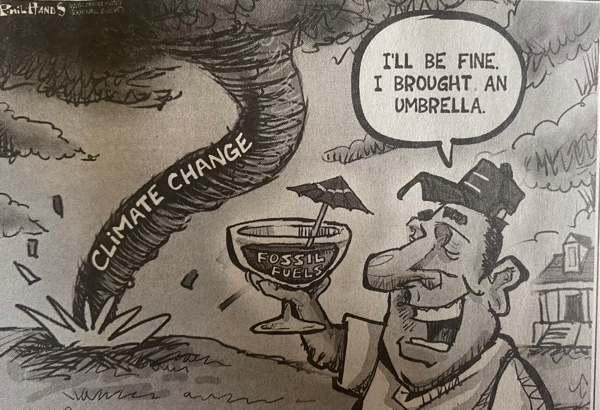
- Climate change comic: I'll be fine I brought an umbrella
- Conceptual model of the Earth systems
- Poison in a food chain
- Temperature of terrapin eggs determines male or female!
- Satellite pollution photo
- Fruit fly problem
Resources by
- Air - pollution related resources
- Land - pollution related resources
- Water - pollution related resources
- A lake's history - Great Lake or Peace Lake
- Wildfires & water quality
- Climate change related photos
- Word Bank
Introduction
This page provides resources to support the study of pollution and climate change and related topics.
Focus questions:
- What is pollution and climate change?
- Pollution is the introduction of harmful or poisonous substances into the environment beyond the level that organisms in the ecosystem can use or tolerate. Information in this page are divided among the three main forms of pollutants: air, water, and land. Noise and light may included in some definitions.
- What is climate change? Climate change is the long-term shifts in temperatures and weather patterns, which can be caused by changes in the Sun or by large volcanic eruptions. Additionally, since the 1800s, a human increase in the burning of fossil fuels, has been a significant driver of climate change. The release of CO2, methane, and other other gases and particulate matter (PM) have impacted climate.
- How does pollution and climate change affect life on Earth?
- What can I learn about pollution and climate change to make healthy decisions for sustainable communities?
Resources
- Pollution unit - activities to explore air, water, & land pollution & how to reduce it.
- Information on sustainable communities
- Which goals and roles, developed for sustainable communities, relate to pollution and climate change?
- For a short history of a historical perspectives and thoughts on the environment, environmental education (EE), and sustainable development (SD) with educational topics, research, curriculum planning, and suggestions to integrate environmental issues into content areas, See - EE & SD.
- Life science units of study
- Eating the Earth pdf - pictures from big agricultural enterprises
Historical Decisions & their affects on environment health
- Fact sheet -
How do we make decisions that result in healthy environments?
Some people look at modern disasters and suggest technology is the problem. If that is true, what should we get rid of or limit? What modern conveniences: medicine, food production, shelter with climate control, education, entertainment, transportation, or other?
If we think it might be a good idea to turn back the clock on technology, or accept a previous era of technology we might consider what happened on Easter Island.
Easter Island had no human inhabitants until around 1000 years ago when people beached their boats on the 66 square mile island that had palm trees and grasslands. People were able to fish and farm and their numbers increased into the thousands. However, in 1722 when Europeans arrived there were less than a thousand. What caused the human population to decline along with the extinction of several species of birds and sea mammals? The decline is a mystery. Was it years of drought, slash and burn farming, increased population demands, rats, or combinations of these or other factors? Read the article - What Happened On Easter Island - A New (Even Scarier) Scenario. by Robert Krulwich; NPR; December 10, 2013, for more information about this mystery.
It seems a limited use of technology can cause unhealthy environments just as a lot of technology use can cause disastrous situations.
So can we learn to use technology in a way that supports a health environment?
To investigate this question, consider innovations and decisions and their impact on environmental health.
Some significant innovations. Fire, domestication of animals, agriculture, wheel, money, metal/nail/steel, printing press, lens, compass, gun powder, vaccination, steam engine, light bulb, telegraph, combustion engine, electricity, antibiotics, airplane, rocket, nuclear fission, birth control, computer, Internet.
Some decisions related to innovation.
- Lens, telescope, ... Decision to investigate space. Understood the Earth as round with the Sun at the center of the Solar System. Helped understand the causes of seasons to make better weather and astronomical predictions.
- Lens, sanitation, microscopic, vaccination, ... Decision to develop procedures for better sanitation, develop food preservation processes (pasteurization, canning), use a germ theory for medicine, develop and test vaccines and antibiotics.
- Steam engine. Decision to use steam engines in place of people and animals for work. Luddites (English workers) who destroyed textile machines and steam engines because they believed the machines and engines threatened their jobs. Proclaiming cloth should be made in a more natural way with human hand labor.
- Electricity, steam engine, fire, generator, coal, oil, nuclear fission, Decision to build power plants to generate and deliver electrical power.
- Decision to shun modern technology such as electricity, telephones ... and live without modern technology. Amish and other groups
- Decision to remove human involvement in certain environments. Theodore Roosevelt created the National Park system.
- Nuclear fission. Decision to develop nuclear weapons to use in war F.D. Roosevelt. Harry Truman okayed the use of atomic bombs on Hiroshima and Nagasaki.
- Chemistry, Decision to use of DDT killed insects and didn't seem to harm humans and other animals in the short term, however, its storage in organisms adds up and harms organisms up a food chain. First time ideas of long term effects becomes understood and accepted by many people.
- Decision to continue as usual and assume there is one cause for bee decline. Bees
- Decision to continue to develop and use robotic devices with little consideration of ...
- Driver less cars. Advantages & disadvantages
- Drones for farming - sowing seeds; spreading fertilizers; spraying hericides, pesticides, and fungicides; counting livestock; monitoring and mapping fields; assessing crop health and yields.
- Decision to continue to develop and use artificial intelligence with little consideration of ... and advantages & disadvantages ...
To determine positive and negative effects on environmental health is not always possible. However, we can and must consider possible effects and consequences based on evidence and reasoning to try to make and implement good decisions. At times this may be frustrating as evidence can be limited and even when it isn't, collecting it requires time and effort.
Civilization Failures and Environmental disasters
- Fact sheet -
Now and through history humans seek and build healthy environments to provide necessary resources to survive and thrive. At times it has been a struggle for individuals and groups of families, tribes, communities, cities, states, nations, leagues of nations, trade organizations, global treaties, and many other organizations in different combinations to insure their survival, good health, and better living.
While humans have survived and thrived (as determined by the 7+ billion humans on Earth) there have been setbacks: wars, natural disasters, crop failures, exterminations, extinctions, desertification, environmental disasters, and other catastrophes. We need to recognize peoples' demands sometimes exceed what the environment is capable of producing to sustain people in those environments. This can result in the fall of a civilization or the necessity to migrate from an unhealthy environment, for those able to leave, and seek resources elsewhere.
Some civilizations we know failed:
- Akkadian Empire,
- Hittite Empire,
- Minoan settlements on Crete 2700-1450 B.C.E. Weakened by earthquake and maybe conquered by outside forces Source
- A massive settlement that is today submerged beneath the Aegean Sea. Structures found date to around 2600-2500 B.C.E. Rising sea levels or earthquake. Source
- Egypt, pyramids of Giza built between 2600-2500 B.C.E.
- Mycenaean Greece, 2700-1200 B.C.E.
- Assyrian Empire in the Indus Valley,
- Angkor/Khmer Empire in Cambodia,
- Han and Tang Dynasty of China,
- Western Roman Empire,
- Maya,
- Olmec,
- Mount Vesuvius volcano eruption 79 AD destroyed Pompeii and many of its inhabitants. Source
- Extinct animals: White Rhinoceros, Passenger Pigeon, Aurochs, Elephant Bird, Great Auk, Imperial Woodpecker, Ivory-billed Woodpecker, Heath Hen, Labrodor duck, Dusky Seaside Sparrow, Dodo, Carolina Parakeet, Cuban Macaw, Quagga, Pyrenean ibux, Mastodon, Woolly mammoth, Mammoth, European bison, Saber-tooth tiger, Neanderthal, Tasmanian devil,
Modern environmental disasters
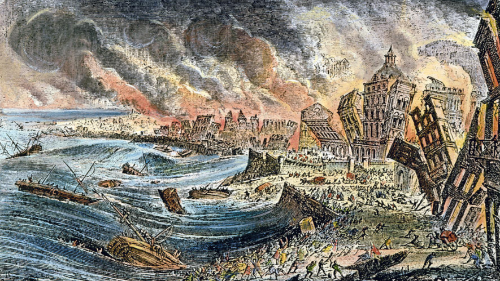
- 1755, An earth quake and tsunami almost completely destroyed Lisbon and adjoining areas. Thirty to forty thousand are killed in the city and another ten thousand in surrounding areas. Damage is reported through out the Iberian Peninsula, and Northwest Africa. Search images and other sources
Two examples: - 1889, Johnstown, Pennsylvania flood. Caused by a weakened dam. It was the largest man made disaster, killing more than 2,200 people, in the United States before the September 11th attacks. Source
- 1902 Mt. Pelee on the Caribbean island of Martinique erupted and killed around 30,000 islanders within minutes, leaving two survivors. A citizen group met a few days before the eruption and decided the smoke and ash did not require an evacuation.
- Great fire of 1910 Idaho (The Big Burn) Source
- 1919, 1930, 1999, Vermiculite mines in Libby, Montana released asbestos dust that caused respiratory problems for the residents and continued until today. Source
- 1917 - present. War and conflicts effects on the environment and human health. World Wars I, World War II, Africa, World Trade Centers, Afghanistan, Asia, Cambodia, Iraq, Kuwait, Israel Lebanon, Russia Chechnya, Vietnam. Source
- Pittsburgh 1940's air quality.
- 1930 in Meuse Valley fog kills 60 people in Belgium due to a combination of industrial air pollution and climatic conditions.
- 1948, in Donora, (on the Monongahela River, southeast of Pittsburgh) Pennsylvania a smog inversion killed 20 people and sickened thousands more. Source
- 1952, smog in London for 5 days allowed airborne pollutant to form a thick layer of smog over the city. Research showed 12,000 premature deaths were attributed to this smog. Source
- 1954, Castle Bravo thermonuclear hydrogen bomb test on Bikini Atoll, Marshall Islands. The most significant accidental radiological contamination ever caused by the United States. Source
- 1956, Chisso Corporation’s industrial wastewater with methylmercury was discharged into Minamata Bay and the Shiranui Sea resulting in 2,265 fatalities and other health problems. Source
- 1964 a riot during a soccer match between Chile and Argentina ends with 300 killed.
- 1967+, Agent Orange and deforestation of jungles and cropland in Vietnam. Source
- 1966, a USAF B-52G bomber crashed and exploded. The explosion caused plutonium contamination of Palomares, Spain. Traces of the blasts are still evident. Source
- 1969 The last time the Cuyahoga River was on fire is June 22, 1969, though not the biggest. It is so polluted, Time Magazine said “it oozes rather than flows" and the few fish living in it are dangerous to eat. Source
- 1971, in Derweze, Turkmenistan, a drilling rig created a sink hole that was 70 meters in diameter and released methane gas, which geologists decided to burn to reduce the risk of methane on the environment. The gas is still burning today. Source
- 1976, a chemical plant explosion in Seveso, Italy released Tetrachlorodibenzo-p-dioxin (TCDD) killing and sickening animals and caused skin lesions on residents. Source
- 1978, Amoco Cadiz ship broke apart and sank releasing its cargo of crude oil and fuel oil off the coast of Brittany, France. Source
- Love Canal. Canal, waste site, school and single family home site, super site, (1892, 1955, 1978, ... ) Source
- 1979, Three mile island accident partial nuclear meltdown of a nuclear reactors in Pennsylvania. Source
- 1984, the Union Carbide India Limited (UCIL) pesticide plant’s in Bhopal, India leaked poisonous gases (ethyl isocyanate gas and others) killing 2,259 and causing other health problems. Source
- 1986 Chernobyl, Russia is the worst nuclear power plant incident in history. Causing cancer, deformities, and other long term illnesses on human and animal inhabitants. Source
- 1989, Exxon Valdez oil spill, Alaska. Source
- 1989, Phillips 66 chemical complex series of explosions and fire in Pasadena, Texas where 23 employees were killed and 314 were injured. Source
- 1991, Kuwaiti oil fires during the Persian Gulf war. Source
- 2001, AFZ chemical fertilizer factory explosion in Toulouse, France killing 29 and injuring thousands of others. Source
- 2003, a sulfur plant fire in Mosul, Iraq, burned for about 3 weeks and released approximately 42 million pounds of sulfur dioxide (SO2) per day and hydrogen sulfide (H2S). Source
- 2004 Banda Aceh earthquake and tsunami in Sumatra, a magnitude-9.1, killed more than 230,000 people. Source
- 2008, Tennessee Valley Authority (TVA) Kingston Fossil Plant where a retaining wall failed, releasing approximately 5.4 million cubic feet of coal ash into rivers and onto ground surfaces. A mud flow that damaged properties downhill and contained arsenic, selenium, and mercury. Source
- 2010, Deep Water Horizon explosion, oil rig collapse, and oil spill in the Gulf of Mexico. Source
- 2011, Japan Earthquake & Tsunami. Killing about 15,891 most by drowning. Tsunami waves reached up to 128 feet high above sea level at Miyako city and traveled 6 miles inland at Sendai. It flooded about 217 square miles in Japan. Waves over topped and destroyed protective tsunami seawalls, three-story buildings, generated a huge offshore whirlpool, and severely damaged the Fukushima Daiichi Nuclear Power Plant exposing about 65,000 people living near the plant. Source
- 2011 A four day super outbreak of 376 tornadoes in southeastern U.S. that left 321 people dead. With 226 on April 27. The worst were three EF-5s an 33 EF-4’s & EF-3’s.
- 2014, The largest environmental mining disaster in Canadian history. A dam holding coal and copper tailings fails for the Mount Polley mine in central British Columbia, Canadian. Releasing 30 million cubic yards of waste slurry into Quesnel Lake.
- 2015, In Bento Rodrigues, Brazil a dam where millions of tons of toxic mine waste (tailings) were stored collapsed. Source
- 2015, Gold King Mine waste water spill near Silverton, Colorado. Source
- 2014 - 2016 Ebola outbreak March 2014- January 2016. 11,315 died with 28,637 cases reported. Source
- 2018 February the first cases of measles in 40 years are reported among the Yanomami of the Upper Orinoco river area in Venezuela. In 4 months 126 people contract measles and 53 die. Yanomami are vulnerable to measles, malaria, malnutrition, and mercury pollution as a result of their isolation from modern populations.
- 2018, The Camp Fire in Northern California's Butte County. Ignites by a faulty electric transmission line. The fire causes over 150,000 acres to burn, forcing at least 52,000 people to evacuate. It also destroys over 18,000 structures including 9,000 homes. Tragically, 85 people lost their lives in the fire, making it the deadliest wildfire in U.S. history in the past 100 years.
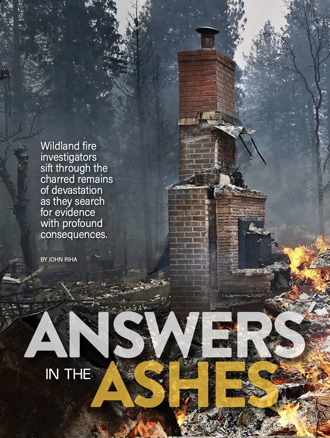
Related information - Answers in the Ashes by John Rita Discover Nov/Dec 2023 p 30-39. Excellent article about how wildfire investigators do their job. The text includes a first person summary and conclusion on the investigation of the Camp Fire and Paradise Fire. - The Pacific Gyre Garbage Patch in the central North Pacific Ocean. Source
- Gulf of Mexico’s dead zone at the mouth of the Mississippi River. Caused by the high concentration of chemicals, like nitrogen and phosphorus, which are two of the many chemical run offs from central continental America. Source
- Guiyu, China was the first and probably the largest electronic waste (e-waste) site on earth. 88% of the children in the area suffer from lead poisoning and other diseases. The area is refereed to as the electronic graveyard. In 2015 it was shut down and e-waste was redirected to new sites. Source
- The Aral Sea once a part of the fourth largest inland body of water is now mostly a plain of highly saline soil. Source
- Natures Yosemite National Park video ...
Environmental health variables and human impacts
The condition of environmental health is complicated. Earth is a global natural environment with many local environments of all sizes and boundaries that overlap other local environments. Additionally humans have built environments of different sizes which can be isolated from natural environments and contained within natural environments.
This makes environmental health, which is complicated to start with, even more difficult to understand. Even with a lot of study one can never be sure of a complete understanding. However, environmental health depends on decisions people make. Individual and collective actions between, and among people and the environment. Decisions on materials, ideas, strategies, policies, and technologies used to survive and create our ideas (philosophies) of a good life determines our environmental health.
To believe an action will have no major affect or not to consider one, could be devastating. Therefore, people need to consider many variables when making decisions. Any change to one variable may have a small effect or one large enough to cause the extinction of one or more organisms. Therefore, deciding variables to consider is essential and must be extensive so as not to omit one that may be important. Even then different people will interpret and apply them differently.
The following list of variables is created for the purpose of making better decisions for healthy environments.
Air, Water, Earth - Food production, transportation, shelter (temperature and habitat), Energy, Human health, and Social: education, economics, government policies, laws (Environmental laws), and the EPA (Environmental Protection Agency), entertainment.
While the information is classified into categories we should remember all of the categories overlap, interact, and affect each other.
1. Air quality variables and affects
- Outdoor environment and health
- Balanced atmosphere. oxygen, carbon dioxide, and nitrogen ...
- Toxic chemicals such as methane, sulfur, carbon monoxide, smoke, second hand tobacco smoke, ozone depreciation, cadmium, arsenic, mercury,
- UV exposure, other radiation see also energy
- Greenhouse effect. Water, CO2, methane
- Particulate matter inhaled by people. Smaller particles are the greatest threat to health because they travel deep within the lungs.
- Carbon (soot) emitted by combustion sources;
- Tiny liquid or solid particles in aerosols;
- Fungal spores;
- Dust
- Wildfires - emit Carbon monoxide, carbon dioxide, ash and particulate matter, PFAS, and soil particles that are changed by the heat into more mobile particles that are transported with smoke plumes over long distances and deposited down wind in neighborhoods, watersheds, waterways, and other land areas. Elements such as mercury, chromium, PAHs, other heavy metals, and toxic chemical are among the ash. In addition to unhealthy air they pollute the soil and water and make their way into plants and animas through the food webs of the ecosystem. Wildfires mobilize soil pollutants. Science. December 18, 2025 See wildfires & water.
- Pollen; and
- A toxin present in bacteria (endotoxin).
- Violent storms. Tornado, hurricane, thunder storms,wind, hail, ice
- Altered precipitation, increased desert area, land degradation, lack of clean potable water, increased violent storms see also water and earth
- Suggestions for consideration to maintain a healthy environment
- Plants: trees, grasses, bushes, ocean plants, one celled plants
- Particulate matter from burning, stoves, fireplaces, factories, ...
- Wind erosion dust - When dust travels long distances, its particles change in size, shape, and chemically. This travel reduces their sizes and accumulates pollutants through chemical reactions that add harmful pollutants to the particles, all making them more toxic. This poses a danger to living organisms downwind and disrupts ecosystems.
- CO2 (carbon dioxide) from plants photosynthesis, burning fuel
- SO2 (sulfur dioxide)
- Smoking bans and restrictions.
- Prevention of exposure to exhausts from motor vehicles and other engines
- Test new material and consumer products and labels on materials and consumer products.
- Reduce toxic pollutants release into the environment:
- Walk, bike, mass transit, car pool, electronic communication
- Bicycle lanes
- Turn off lights and electrical appliances when not in use
- Reduce toxic and other detrimental emissions into the air: fuel efficient cars, pollution free cars
- Storm protection from wind and rain, storm shelters
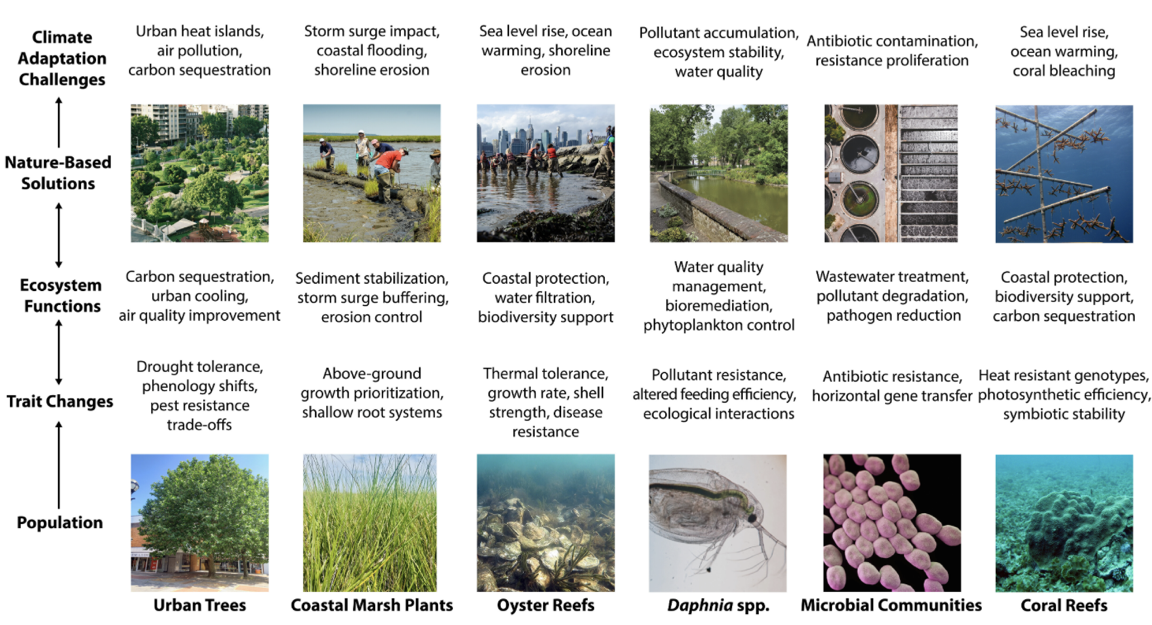
- Nature base solutions and urban resiliance. Source
- Indoor environment and health
- Asphyxiation, cold, flu, respiratory infection, lung disease, lead, asthma, tuberculosis, lung cancers, carbon monoxide, pets, low birth weight, premature birth, birth trauma, heart disease,
- Room air quality; building materials, ventilation, household products like furniture and electrical appliances, clean products and other household products, candles, scented products, smoke, second hand smoke, energy saving measures to reduce air flow from external source, radon, dampness, mold, other biological agents has been linked to asthma and allergic symptoms, lung cancer, and other respiratory and cardiovascular diseases.
- Reduce inside allergens: mold, pollen, animals, dust mites, dog, cat, cockroach, mouse,
- Household air pollution and health. Source
In a properly maintained home, most of the airborne particulate matter comes from the outside. However, some homes do have significant sources of indoor particulate matter which come from:- Cigarette smoke;
- Cooking: especially frying and sautéing;
- Combustion appliances: furnaces without a proper air filter;
- Non-vented combustion appliances like gas stoves;
- Wood-burning appliances wood stoves and fireplaces
- Mold growth
- Radon
- Suggestions for consideration to maintain a healthy environment
- Building ventilation to control exposure to particulate matter, allergens, ozone, radon, cooking, .
- Prevention of moisture accumulation, mold growth,
- Prevention of exposure to exhausts from indoor combustion (furnaces ... )
- Test new material and consumer products and labels on materials and consumer products.
- Designs for noise reduction
- Potable (safe to drink) water system
- Contaminates. pathogens, lead, ...
- Contaminates. pathogens, lead, ...
- Clean water can be maintained by limiting pollution of surface water, ground water, rivers, streams, lakes, oceans ... such as DOM (dissolved organic matter) which include aerosoles and precipitation, urban runoff, agricultual runoff, microorganisms, industrial chemicals, wetland, forests, wildfires affect me and different ecosystems.
- Sanitation. Sewage system: organic waste from factories, animals, humans, ...
- Chemicals in sewage, runoff, ... Chemicals: lead, carbon dioxide, carbon monoxide, cadmium, arsenic, mercury, pesticides, herbicides, hormones, antibiotics, psychoactive drugs, contaminants in personal care products & pharmaceuticals disposed in drains and in human waste.
- Clean water for humans & animals, which can accumulate contaminants
- Plants can also accumulate contaminants and pass on to animals in fruits and vegetables
- Groundwater management considerations:
- Enforcement of protective measurements for:
- Developing and implementing plans
- Upgrading monitoring systems
- Enforcing construction regulations and pollution standards related to water use and runoff
- Restricting or requiring recharging efforts
- Land management and use plans related to water use and runoff
- Groundwater extraction- limiting, measuring, protecting to maintain a sustainable use of surface and groundwater resource.
- Altering ground and land water use to maintain a sustainable use of surface and groundwater resource.
- Importing water so as not to increase flooding risks. Along with other flood management with flood walls, levees, stormwater management
- Green roofs, drainage systems
- Restoring floodplains
- Restoring and maintaining natural channels
- Prevent contamination of watersheds and water ways for recreational and other purposes.
- Clean recreational water for swimming, boating, surfing, ...
- Irrigation
- Hygiene
- Radiation
- Erosion run off from wind, water, and
- Conserve water use.
- Altered precipitation, increase desert area, land degradation, lack of clean potable water, increased violent storms see also air and earth
- Flood, drought
- River system considerations
- Importance of the river for connectivity.
- Rate and volume of water flow
- Fish and animal migration
- Transportation
- Environmental concern for environmental pollution
- Energy flow as sources of food for animals and sunlight for plants
- Amount of oxygen in the water
- Change in water temperature
- Sediment flow
- Production of hydroelectricity
- Production of green house gases
- Fish diversity and health
- Health of plants and animals
- Cost of any change
- Degree of regulation for environmental protection
- Wildfire - a growing threat to water quality - source
- Wildfire roars through rivers, aquifers, drinking water networks, and wastewater systems, producing cascading failures and structural changes in water availability and quality. Human exposure to the effects of wildfire has increased, despite declining global burned area. Vulnerability to contaminated water from rain washing toxic substances from burned areas accelerated by vegetation loss that increases runoff. Sediment, nutrients, and dissolved organic matter flow into rivers and overwhelm treatment plants and contaminate groundwater in aquifers. Canopy loss and soot-darkened snow accelerate melt, moving runoff earlier and intensifying summer water shortages.
- Wildfire also changes the soil microbial communities, especially fungi, and are replaced by heat-tolerant decomposers that accelerate nutrient release. Burnt organic matter is easily washed along with black carbon and persists in rivers, increases oxygen demand, and suppresses microbial processing, weakening natural self-purification.
- Infrastructure can contaminate clean while drinking water where plastic pipes melted and depressurized networks drew in smoke, causing extreme benzene contamination.
- Wastewater systems fail as fires and blackouts disable treatment plants, and postfire storms overwhelm sewers with ash and metals, exporting poorly treated effluent downstream.
- These failures are most severe on small utilities, private well users, and rural and Indigenous communities, which makes wildfire a driver of water inequality.
- Wildfire problems don't stop after fighting the flames.
- Also wildfire air quality
- A good general source for - A Path to Clean Water Science July 20, 2018. p 222-224
- Suggestions for consideration to maintain a healthy environment
- Develop and monitor water systems to provide safe drinking water.
- Conserve water use.
- Maintain fresh water availability
- Keep water free of fecal oral pathogens,
- Consider water safety. Ways to prevent drowning, flood, drought, poisoning, oil spills, toxic chemicals: oil, lead mental retardation, mercury, cancers,
- Use pesticides and herbicides in a safe responsible and limited manner
- Have a plan for storage and disposal of hazardous materials at home, school, community spill, business, factories.
- Use only environmentally friendly office cleaning and pest control chemicals.
- Require chemicals be tested before use: Our reliance of the use of chemicals drives a continuous want to create, produce, and use more chemicals well before we can assess their hazards and risks to human health and the environment.
- Malaria: Reduce standing water, drainage, manage water ways ...
- Keystone pipeline:
- U.S. Senators pass a symbolic amendment 52-48 to back construction of the pipeline.
- On his first day in office, President Biden signs an executive order revoking the permit for the Keystone XL oil pipeline.
- Judge halts work on Keystone XL pipeline, orders environmental review to be redone
Omaha World Herald article by Nancy Gaarder - Controversial Keystone XL pipeline route across Nebraska is approved, but hurdles likely remain Omaha World Herald article by Paul Hammel
Suggestions for consideration to maintain a healthy environment
- Manage production to avoid shortages and starvation
- Four steps toward sustainable water resources:
- Measurement - valid information on amounts of water in watersheds and water use must be availablel to make good decisions on use and conservation.
- Valuation - with multiple users a way to assess the value of different ways water is used (drinking, environmental, economic, business) and their benefits must be determined to make quality decisions.
- Decision making - procedures to resolve what values and needs to consider for making decisions must be determined.
- Governance - policies and management must be determined that are adaptable and able to motivate enough acceptance to be implemented. If not methods to resolve conflicts and enforce just decisions must be available. Science November 24, 2017
3. Earth Land use, food production, soil management, erosion, conservation, habitat, housing, transportation, business, cities, ...
- Volcanoes, earthquakes,
- Agriculture, protein production,
- Animal hunting, fishing, herding, grazing, farming, beef, chicken, turkey, fish, buffalo ... Livestock outweigh wild mammals 22:1. Domestic fowl mass is greater than all other birds.
- Plants: wheat, rice, oats, corn, vegetables, fruit. There was twice as much plant biomass since humans began farming. History & technology timeline
- Irrigation
- Climate, storms, floods, drought, wildfire,
- Invasive species
- Transportation: roads, rail, bus, cycling, cars, trucks, air travel, drones,
- Space for living, exercise, recreation, temperature in buildings 68 in winter 78 summer, insulation, cement cooling paint (CCP)
- Housing, business, factories,
- Soil quality. fertility, salt,
- Mineral use - mining, sand (see The unsustainable harvest of coastal sands. Science December 8, 2023. Includes a good overview on the use of sand and sustainable managment.) Natural resource trusts could work to establish safe, efficient, equitable use and reuse of minerals. Source
- Animal care.
- Farm animals: swine flu, avian or bird flu,
- Fishing, over fishing, invasive species, pollution, dams,
- Household pets: rabies, heart-worm, fleas, ticks
- Nature: ticks: Lyme disease, Babesiosis caused by Babesia microti from black legged tick, Rocky Mountain Spotted fever, Anaplasmosis, Colorado tick fever, Powassan encephalitis, Tularemia, Ehrlichiosis, Relapsing fever
- Biodiversity, Loss of biodiversity
- GMOs
- GMO pollen spread by wind, water, animals.
- Bacteria, virus, molds, allergens, pathogens, mosquitoes, ticks,
- Animal waste, plant materials,
- Environments that favor disease,
- Chemicals use. Fertilizer (nitrogen increase algae, fish kill), methane
- Travel related to spread of disease, invasive plants and animals into new territories.
- Bio-warfare and bio-terror.
- Wildfires. Large fires can have big affects, they can cause the loss of human life, plants, animals, and human structures as well as the air quality, with emitted aerosols that worsen air quality, which can cause health problems and water quality and livelihoods. Moreover, they affect the climate by absorbing and scattering solar radiation. When deposited on snow and glaciers, the aerosols can intensify melt patterns and alter peak streamflow timing, causing downstream effects on water supply. The study of wildfires illustrates how extreme natural disasters can trigger cascades of events that have local and distant impacts across Earth.
Suggestions for consideration to maintain a healthy environment
- Reduce solid wastes - example - reduce the use of single use cutlery (SUC) … require consumers to request cutlery for home delivery
- Conserve, Reuse, recycle
- Recycle batteries
- Use biodegradable products
- Use sustainable resources
- Radon mitigation
- Plan for habitat, natural and constructed, structures, infrastructures, and surveillance (homes and communities), buildings, housing, work, business, recreational
- Plan for land use - see the Great Green Wall
- Ensure recycling bins are available and use recycled paper
- Switching all standard paper from virgin to recycle.
- Avoid the use of building materials from unsustainable sources, giving preference to timber and wood products from responsibly managed forests.
- Where offices are renovated, prioritize, green options (movement-sensitive lights, low-flush toilets, heating etc) where possible. Maximize energy efficiency, using the best and most cost-effective techniques,. Explore renewable energy sources.
- Review the office's carbon footprint by evaluating on a regular basis the cost of paper-usage, electricity, water etc in the office.
- Maintain a consistent pharmaceutical disposal strategy
- Barbecue safety
- Backyard safety
- Manage shortages, excessive consumption, waste through conservation, reuse, and recycling
- Protection of the natural and constructed environments development and exposure to hazardous chemicals and radioactive materials by reducing or eliminating contamination, removal of wastes both biodegradable and non biodegradable
- Incineration of solids, burning with filtration and scrubbers
- Physical hazards,
- Natural disasters
- Technological disasters
- Electricity: coal, solar, wind, nuclear ...
- Heat: natural gas, geothermal, wood, coal, electricity
- Technology
- Nanotechnology to improve electronics, manufacturing, clean energy, disease prevention, detection, treatment; and environmental assessment.
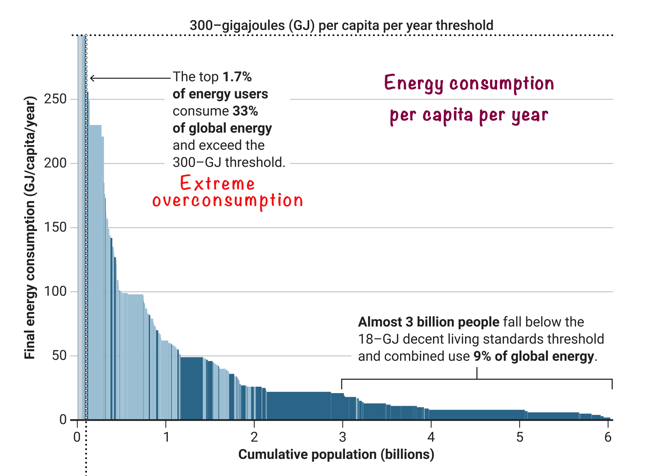
Energy consumption per capita
Source - Science. New demand goals for energy and climate resilience Current climate goals, largely focused on energy supply, should be complemented by targeting demand.
by N. Bento et. al.
Suggestions for consideration to maintain a healthy environment
- Climate change
- Conserve electricity. Turn off lights, use low wattage bulbs, LED, wash in cold or warm water, temperature in buildings 68 in winter 78 summer, insulate
- Healthy energy exchange to maintain a balanced ecosystem (plants, animals, decomposers)
- Noise and electromagnetic fields
- UV rays, ionizing radiation, other radiation
- Energy use
- Electric power plants: use of nonrenewable resources, heat exchange, water use and waste, solid waste, gases production (CO2, Sulfur, Mercury, ...)
- Nuclear power plants: radioactive materials, heat,
- Sound: hearing loss, insomnia,
- Skin cancer, sunburn
- Lead and other chemicals in gasoline vapor and exhaust
- Particulate matter from gasoline and diesel engine exhaust
- Diet and nutritional needs.
- Reduce traffic accidents: Traffic calming strategies light, road maintenance, one-way streets, speed limits, road narrowing, barriers, pedestrian crossing, bike lanes, traffic signs, traffic laws, cell phone use,
- Reduce accidents in the home: Hand rails low grade slopes, lighting, window guards, friction surfaces,
- Reduce infant and child mortality.
- Make sure schools are located away from major highways.
- Eliminate extreme poverty and hunger, primary education, gender equality and empower women, reduce child mortality, improve maternal health, combat malaria and other diseases, environmental sustainability, shared global responsibility.
- Environmental conditions
- Temperature change - increase negatively affects the health of humans by increases in production of plants, insects, pollen, ticks, infectious disease, malaria, mold, mosquitoes, lice, changes in patterns of infectious disease, increase in sea level, reduction of air quality, increase in the severity of natural disasters like floods, droughts, and severe storms associated with climate change.
- Changes in habitat - Land use, green corridors to allow for migration, changes in populations can be both positive and negative. Extinction of organisims reduces biodiversity. And deliberate extinction by gene modification - mosquitoes, or the new world screwworm, which has been eradificated in North America. Should it be in other areas? Use of Sterile insect technology.
- Chemical use. Pesticides disrupt ecosystems, drive pest resurgence or resistance, jepordize food security, encourage pesticide tolerant species, remove pest resources, pheromones, sticky traps, genetic alteration, cropping, organic, parasitic wasps, more pest eating species (fish, ducks, bats, frogs, robotics to tiely target interventions, patch spray, weeders,
- Waste management - textiles, landfills, release micro and nanoplastics and PFAS polyfluoroalkyl-substances.
- Reduce inside allergens: mold, pollen, animals, dust mites, dog, cat, cockroach, mouse,
- Accidents, road traffic, highway, train, air crashes. falling: slippery surface, , drowning, work related accidents, asbestos, radon gas, fire, earthquake, head trauma, Radiation from nuclear medicine, consumer products, military and industrial applications and nuclear waste management
- Birth defects, spina bifida or Down’s syndrome
- Cancers, Parkinson disease
- Stress
- Long working hours, lack of exercise, muscular skeletal and joint disease,
- Depression
- Heart disease
- Fire and smoke, candles, smoke alarms
- Electrocution, electric shock, electrical fires
- Cooking stoves that use kerosene and solid fuel (wood, other plant materials, and animal waste) cause 4 million people to die each year from inhaling smoke from these stoves. Ethanol burning stoves are healthier than these. Source
Suggestions for consideration to maintain a healthy environment
- Negative impacts pathogens, nematodes, diarrhea (transmitted through water, poor sanitation and hygiene, or food resulting in more than 1.5 million deaths a year, mainly children), intestinal flu, malnutrition, hunger, malnutrition, malaria, lyme disease, feedlot run off, hook worm, trichuriasis, lymphatic filariasis caused by worms in the lymphatic system whose larvae are transmitted mosquitoes, dengue, encephalitis, HIV/AIDS, STD’s, hepatitis B & C, tuberculosis, low birth weight, cancers, animal attacks: venom, bites, scratches, ... ; fish and shell fish consumption
- Sanitation: washing hands, food safety
- Negative impacts
- Guns
- Suicide, ingest chemicals, drown, hang, shoot,
- Crime
6. Social: Education, Government policies, laws (Environmental laws), and the EPA (Environmental Protection Agency), Economic, Entertainment
- Education
- Media
- Corporations
- Laws (Environmental laws)
- EPA policies, rules, budget
General Resources
- Eco Justice Education. Routelege: NY. 2014. by Dana
- Smithsonian article explores the idea that Humans Have Exceeded Six of the Nine Boundaries Keeping Earth Habitable which suggest we are well outside the safe operating space for humanity according to a study that assesses the health of our planet.
- Sustainable futures field guide .PDF
- Braiding Sweetgrass: Indigenous Wisdom, Scientific Knowledge, and the Teachings of Plants. 2013. by Robin Wall Kimmerer.
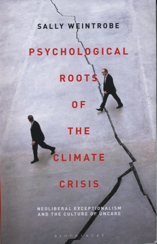
- Psychological Roots of the Climate Crisis: Neoliberal exceptionalism and the culture of uncare. by Sally Weintrobe
- Environmental health teaching unit - includes: activity Lab notes (worksheets, word bank & key ideas). Content includes: Brainstorm prior knowledge of Nature, Create an environmental model with (environmental factors, organism in the environment, & environmental interactions to maintain a balanced sustainable ecosystem of nature, humans, needs for human survival and environmental variables), Environmental Health Disasters Activity, Historical decisions with Positive & Negative Environmental Impacts, Making healthy environmental decisions today, Influences on environmental decisions, Decision Making for personal and environmental health, Implementation of environmental decisions, and Review
- Ecosystems subject dimensions integration - Reviews a historical perspective of thoughts on the environment, reviews the state of environmental education (EE), a framework to use to integrate EE and sustainable development (SD) with educational topics, research to support EE and SD, scoring guide for environmental concerns, suggestions to assess environmental curriculum, ideas for planning EE & SD, suggestions to integrate environmental issues into content areas, and suggestions to plan ecosystem investigations. And finally a summary of the focus questions.
- Sustainable Communities! is a freely available community research guide developed by the Smithsonian Science Education Center (SSEC) in partnership with the InterAcademy Partnership as part of the Smithsonian Science for Global Goals project.
These Grade 3 - grade 8 research guides use the United Nations Sustainable Development Goals (SDGs) as a framework to focus on sustainable actions that are defined and implemented by students. - A People's Curriculum (k-12) for the Earth: Teaching Climate Change and the Environmental Crisis - A Zinn Education Project
- Sample activity - Cookie coal mining simulation
- Effect of Climate Warming on the Timing of Autumn Leaf Senescence Reverses after the Summer Solstice. M. Zohner et al. Science July 7, 2023.
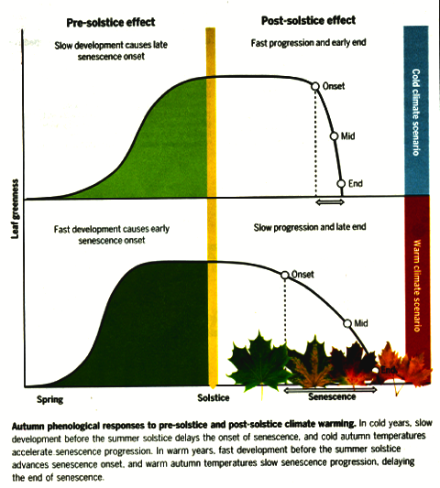
- Fact sheet for Civilization Failures and Environmental disasters
- The unsustainable harvest of coastal sands. Science December 8, 2023. Includes a good overview on the use of sand and possible sustainable management suggestions.
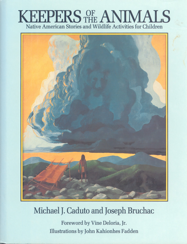
The Keepers Series
Three books by Michael J. Caduto & Joseph Bruchac:. Each is an interdisciplinary program of study about Native American cultures and their ties to Animals, Nighttime activities, and Earth. The activities help explore the environment and engage each person's emotions, senses, thoughts, and actions to explore and expand their ideas of them self and their relationship to Earth, animals, humans, and sustainability. Activities include art, theater, reading, writing, science, social studies, math, and sensory awareness.

Change, act, or what?
When people say something is too complicated or unknowable, it is usually an excuse to not do anything, which if applied to climate, is not survivable.
While the web of relationships within nature, among animals, people, weather, sun, soil, streams, fruit, livestock, is far too vast and complicated to fully comprehend.
We must accept the idea that some things were unknowable, and make the best choices we can with the information we have and be willing to be resilient for future changes when needed. To do otherwise and wait for perfect information, will result in our waiting forever. Or if you act as though you understand something completely, you'll make bad decisions.
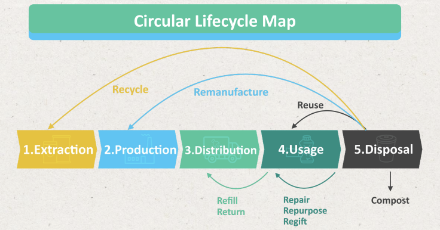
Very good introductory lessons to develop understanding of waste, recycling, reuse, non=renuables, circular life cycle and circular business model (sustainable) Includes .pdf files, powerpoints, and worksheets.
Each grade level has three lessons that fit a learning cycle model across K-12 with five levels.
Primary K-2 Lessons include:
- Exploration - Learn to recycle primary grade lesson with story of rabbits learning to recycle
- Intermediate lesson Invent - Discover what can be recycled and how to recylce
- Discover or application extension lesson - Find it recycle it and learn how long different materials take to decompose
Level 2 Grades 3-5
- Beginner Lesson - Recyclable, Non-Recyclables, And Potential Recyclables review what can and can't be recycled and how.
- Intermediate Lesson - Where Does Your Recycling Go? to the ocean
- Advanced Lesson - What Can You Make From Recycling? Help the environment, save energy, conserve resources, use less, reuse, protects animals, make new products, includes many examples.
Level 3 - Grades 6-8
- Beginner Lesson - Waste Leakage In The Environment
- Intermediate Lesson - A Waste Hero's Story types for recycling
- Advanced Lesson - My Waste Audit - audit process with form
Level 4 - Grades 9-10
- Beginner Lesson - Linear vs Circular Life Cycle
- Intermediate Lesson - Creating The Circular Economy
- Advanced Lesson - Circular Design Challenge
Level 5 - Grades 11-12
How to create a circular business model
- Beginner Lesson - Circular Case Study
- Intermediate Lesson - Redesign For Circularity
- Advanced Lesson - Circular Business Model Canvas
Optimistic book on climate
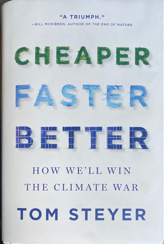 Cheaper Faster Better: How we'll win the climate war. by Tom Steyer. 2024.
Tom explains his optimism for how the past should inform us to continue to make progress in keeping our planet inhabitable.
You might think: What are you talking about?
Climate is changing in ways to make it less habitable.
True, but Tom presents a convincing argument that positive change is happening!
When you read his book, will you agree with his conclusion!
I hope that by now you're a climate optimist, too.
We have a huge fight ahead of us, and the fossil fuel industry isn't going to fade away quietly.
But the tide has already turned.
Thanks to new technology, increased public awareness, new laws and rules, and new ways of measuring and understanding the impact of greenhouse gas pollution on our planet, the clean energy revolution hasn't just begun, it's become unstoppable.
More Notes from Cheaper Faster Better: How we’ll win the climate war. by Tom Steyer, 2024.
Today, our world needs to change quickly and we need teams to make that happen. We need new technologies, new ways of creating energy, new ways to cut emissions of greenhouse gas. Then, we need to figure out how to deploy these new technologies worldwide, in countries with wildly different levels of infrastructure, prosperity, and political stability, all while facing relentless opposition from fossil fuels.
A summary of areas of concern with possible solutions is organized by: Energy provided as electrical for transportation, manufacturing, agriculture, and habital buildings.
1. Electricity generation. The great thing about all the power, if you ignore the fact that they're killing us, is that they're powerhouses of stored energy: For more than a century, we've turned that pent-up energy into heat and used that heat to create electricity. We need to create more electricity than ever as things that used to be powered by fossil fuels, like cars, are going to become electric; as the world population grows; and as more countries access the miracles of modern life. If we want to do this without destroying human society, as we know it, we need to create all that electricity in a way that doesn't rely on fossil fuel-generated heat. That means building up existing clean and renewable technologies like solar, wind, geothermal, and, if it can be done cleanly and safely, nuclear. It means trying to find new sources of energy and electricity, for example through nuclear fusion. It also means that we need to support all the things that get the electricity wherever it needs to go-better batteries, transmission lines, and power grids.
2. Transportation. Burning fossil fuels is one way to move vehicles from point A to point B. We need a better way. Electric cars, electric trucks, electric buses, and the charging networks needed to connect them to clean-energy grids will play a large role here. Making public transportation more efficient and reliable will help get cars and pollution associated with manufacturing them as well as driving them— Off the road as well. But other types of transportation are harder to electrify, especially passenger and cargo planes, because at the moment, any battery big enough to power them would be too heavy to get off the ground. Shipping whether by truck or boat is hard to electrify as well, for a similar reason: a big battery takes up space that could be occupied by cargo. That means we'll need to rely not just on new sources of electricity but on new battery technologies and new sources of fuel. (One possibility is green hydrogen. We need to move down the technology cost curve, but if we can make it work, it will be better, faster, cheaper, and cleaner than anything else out there).
3. Manufacturing. Let's say you buy an electric car and hook it up to a grid powered by renewable energy. That's zero greenhouse-gas pollution. But what about all the carbon and methane emitted when they were building that car? Or your phone? Or your clothing? Or basically anything else manufactured, which these days is almost everything? The basic problem is that manufacturing takes an enormous amount of energy, and in particular requires very high heat. We need to figure out how to make things using less heat, and how to generate heat without generating as many emissions.
4. Agriculture. As we feed a growing world wide population, the ways we raise plants and animals have to change. For example, nitrogen fertilizer-which didn't exist 120 years ago but today is considered essential to industrial farming— is a huge source of emissions because it's made using fossil fuels. There's also the problem of deforestation. When an acre of rain forest is cut down to clear land for a palm oil plantation or a cattle ranch, it's like wringing a giant sponge full of greenhouse gas into the air. We have to start producing the food we need without all the emissions.
See: The Burgeoning Global Food Trade is a Lifeline for Billions. Is it breaking the planet?
Science. Includes some rally astonishing photos. pdf
5. Buildings. Plumbing, Air conditioning, and Heating. Whether it's a house, an office, or any other type of modern structure, our buildings use an enormous amount of energy, and right now that means they create an enormous amount of greenhouse gas pollution. Even worse, most buildings leak. We need to make sure that what we're building today is net-zero emissions. But because it's estimated that in developed economies, about 80 percent of buildings in use today will still be in use in 2050, focusing on new construction alone isn't enough. We need to retrofit old buildings so that they waste less energy—and cost their owners less money in the process.
Over the years, as I made a lot of money, it didn't make me any smarter. It just meant I had more money.
Tom Steyer
If you want me in at the landing, ask me in on the takeoff.
George Shultz
Think about it!
How can the fossil fuel industry and supporters claim to be in favor of free markets, small government, and government hand outs; when they abandoned the principle of small government to attack clean energy by trying to shut down clean and green energies from the market with government regulations. And they themselves lobby for more tax breaks and handouts for expanding production and price supports to protect them from foreign markets.
Donald Trump can't claim to be "America First" while trying to keep cleaner, cheaper, safer energy out of Americans' hands. And you can't claim to be tough enough to stand up to countries like China while surrendering our competitive advantage in one of the world's fastest-growing industries. powerful conservative think tank abandoned the principle of small government to attack clean energy and support fossil fuel industries! Climate justice aligns with actions that are pro environment.
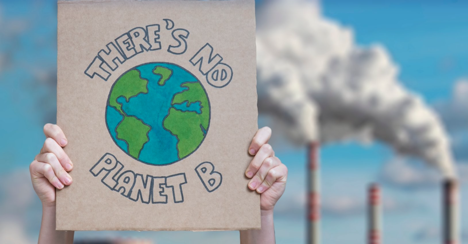
Why Mars isn't an option to save humanity
People who argue for space exploration as a solution should be reminded, Mars is a very inhospitable place. For example:
- Mars' temperature can regularly reach minus 81 degrees F.
- The planet's atmosphere is 95% carbon dioxide.
- Reduced gravity would require daily training to stay in shape.
- Its soil has perchlorates (chlorine compounds) that make it poisonous to life.
- It gets only 60% of the amount of light the Earth gets.
- The psychological effects of being isolated on a hostile planet.
- Travel to and from at its best is only every two years when Mar's orbit is closest to Earth.
- A communication with anyone on Earth would take between 4 and 20 minutes for the signal to travel from one planet to the other depending on their relative positions.
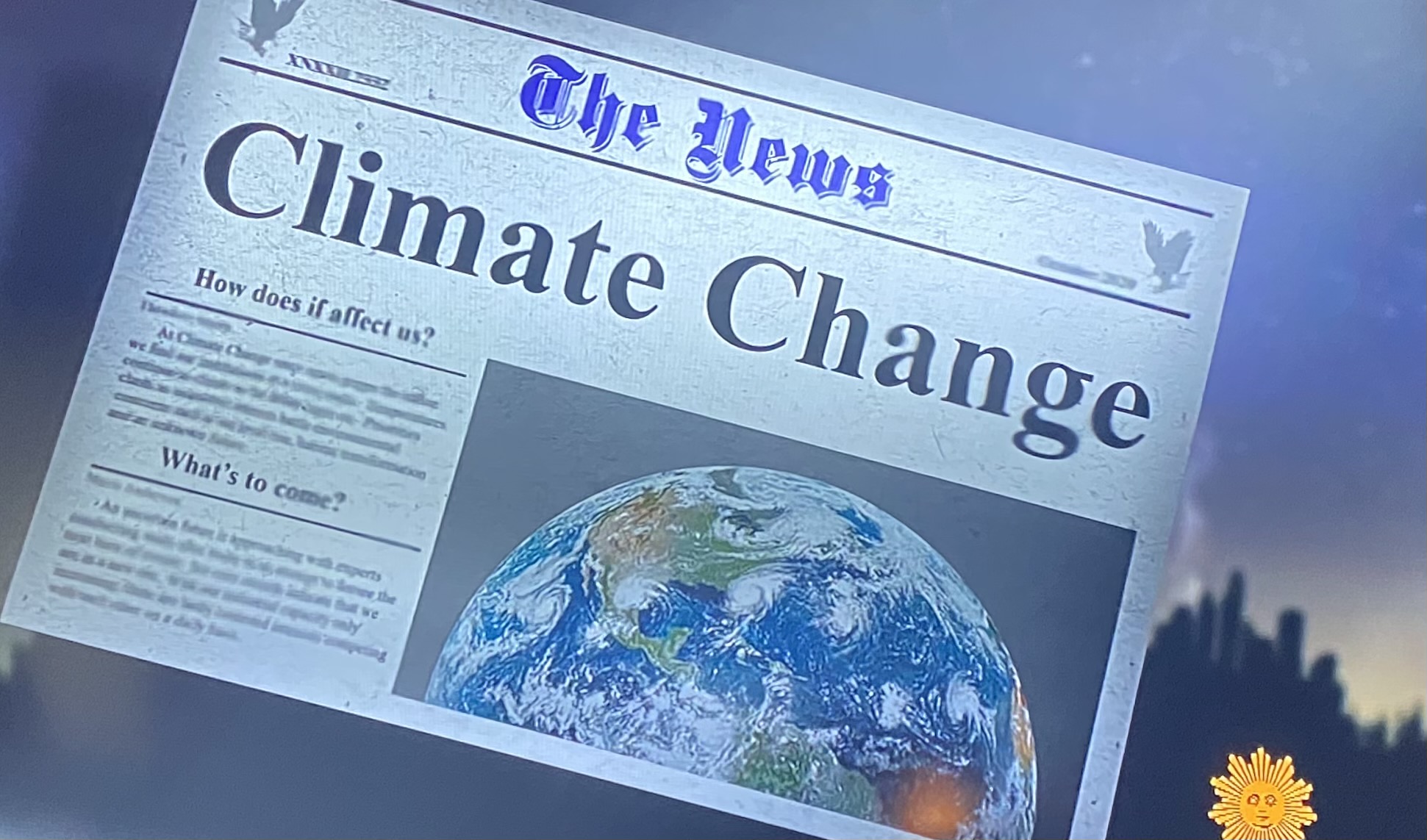
Climate change
Climate change comic: I'll be fine I brought an umbrella
Polar climate change
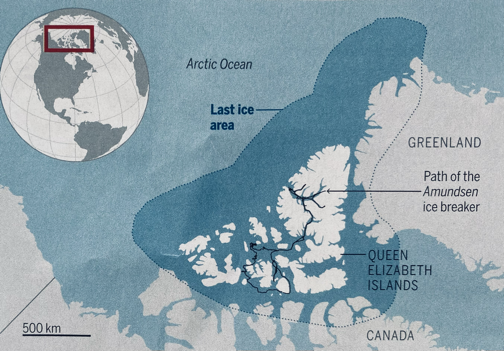
Climate change in the polar regions of our warming world is threatening to transform many of its features, such as this icy tableau in the Fish Islands off the coast of the Antarctic Peninsula. There is still much to learn about these places before we know better what those changes may be. See the special section beginning on page 588. Includes six articles about polar ice and and the latest research on its past and present conditions and how we might predict possible futures.

Global warming
Four pillars of climate stability are the 1. West Antarctic Ice Sheet, 2. the Greenland Ice Sheet, 3. Amazon Rainforest, and 4. the Atlantic Meridional Overturning Circulation (AMOC) - the ocean current system that keeps Europe several degrees warmer than it otherwise would be. A new study published in Augus 2024, in the journal Nature focused on these elements, and discerned the probabilities of their collapse and the impact on the future habitability of the planet. The results were ... not good.
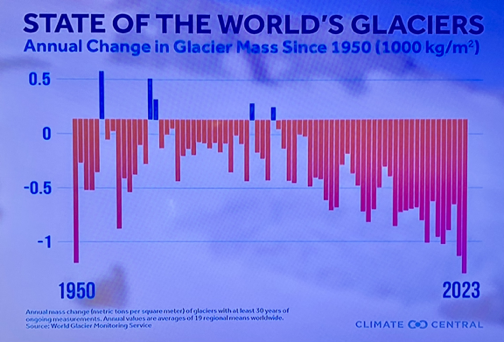
Glaciers mass from 1950 - 2023
Ecological damage in an unfrozen land
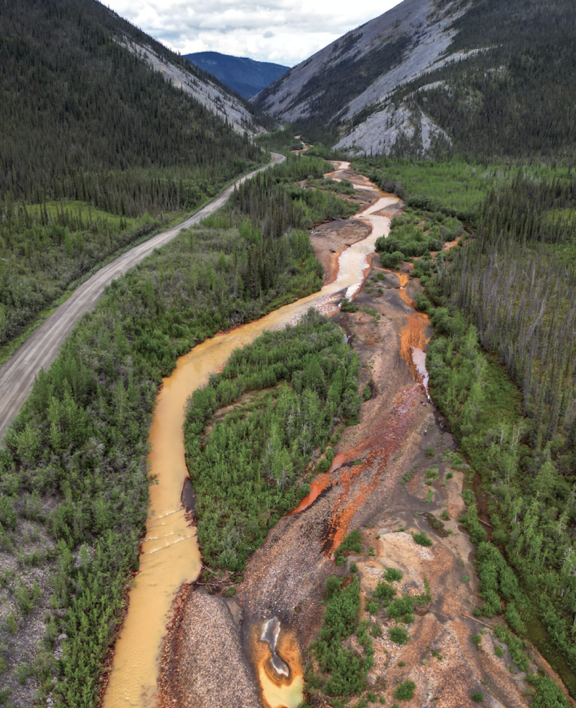
Thawing permafrost in the Yukon-Mackenzie watershed, pictured here, has led to acidification of streams and severe environmental damage. Photo: Skierszkan. etal.
Source Science May 21, 2026. p 863-867..
Permafrost is thawing at an accelerating rate due to climate warming. This has serious consequences for streams in those areas and for areas beyond. Skierszkan et al. documented changes in stream chemistry and ecology in three headwater catchments in the Yukon-Mackenzie watershed of Canada. They showed how the oxidation of sulfide minerals found in thawing permafrost causes stream water acidification, acid-rock drainage, elevated metal and metalloid concentrations, and toxicity for most of the exposed terrestrial and aquatic organisms.
These effects are worsening as permafrost thawing increases.
Cimate change and leaf change
Effect of Climate Warming on the Timing of Autumn Leaf Senescence Reverses after the Summer Solstice. M. Zohner et al. Science July 7, 2023.
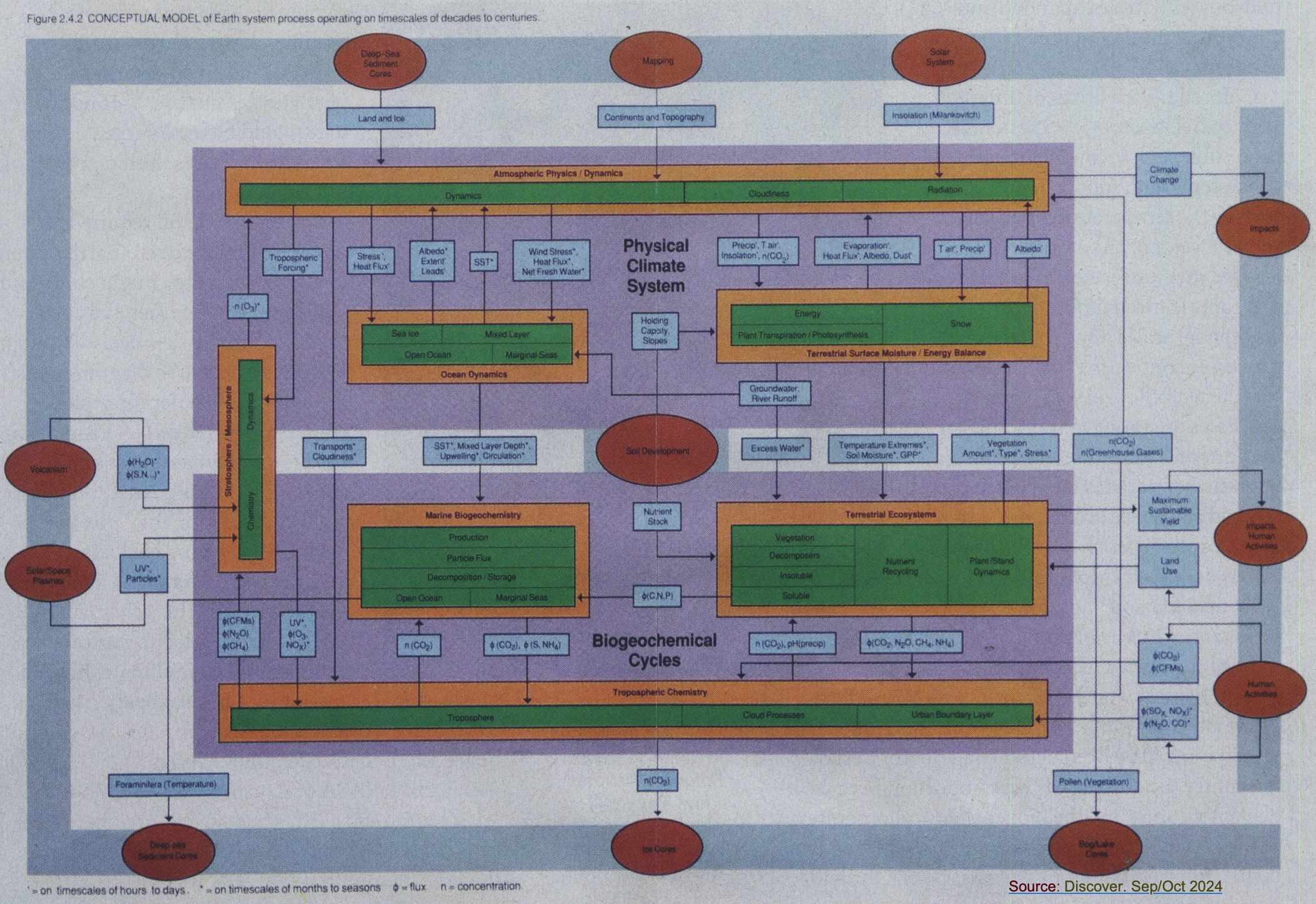
Conceptual model of the Earth systems
Poison in a food chain
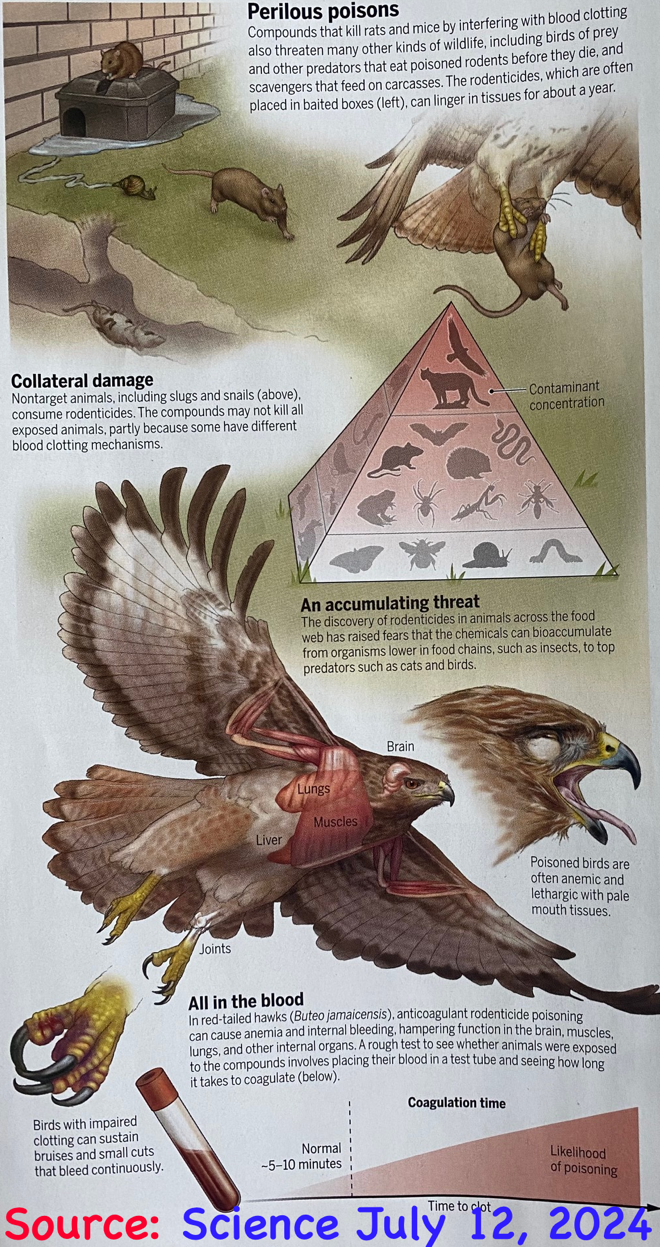
Temperature of terrapin eggs determines male or female!

The sex of terrapins is determined by the temperature of the egg during its incubation. A warmer temperature creates females and cooler males.
Air
Book -
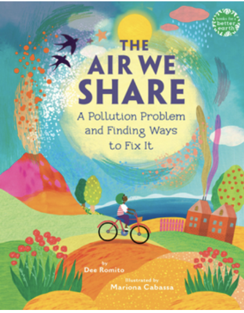
The air we share: Pollutioni problems and finding ways to fix it
by dee Romito. Ill. Mariona Cabassa
Grades K-4
Focus learners with the focus questions for this book.
Air pollution is a problem.
Read aloud and discuss:
- How did it happen?
- How do we fix it?
- Read aloud and engage discussion with:
- What do you think air pollution is?
- How does the air get polluted?
- Why do you think the author stated that it is air we share?
- Why do you think she would say that we share the air?
More pollution activities
Air pollution examples, outcomes, and personal safety
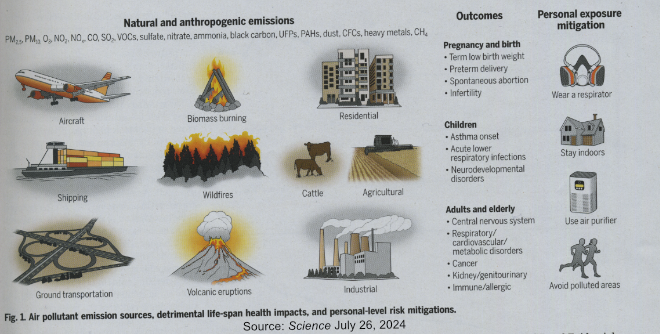
Particulate matter & health
Particulate matter - Model
Particulate matter (PM) is small pieces of solid or liquid or a combination of both kinds of matter small enough to travel in the air and therefore, can be inhaled by people. Particle size ranges from 0.005 micrometer to 1.0 micrometer (1 micrometer (µm) is one millionth of a meter).
They can be made of soil, soot, dust, pollen, metals, and much more. Scientists often group PM into different classes based on size. Three examples are shown below.
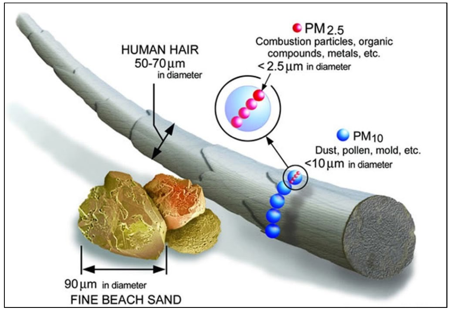
Particulate matter (PM) is the greatest health threat because it travels deep into the lungs and embeds in the lung tissue. Particles small enough to not only penetrate the lung alveoli, but penetrate blood vessels. Where they enter the bloodstream and can travel to other body systems and organs: such as the cardiovascular system, liver, and kidneys, and affect them.
Numerous studies have linked elevated particle levels in the air to increased hospital admissions, emergency room visits, asthma attacks and premature death for those with respiratory problems. Children are more susceptible than healthy adults because their lungs and respiratory systems are developing and may thus increases the frequency of childhood illnesses and reduced lung function.

Making matters worse. When dust travels long distances, its particles change in size, shape, and chemically. This travel reduces their sizes and accumulates pollutants through chemical reactions that add harmful pollutants to the particles, all making them more toxic. This poses a danger to living organisms downwind and disrupts ecosystems.
Additional information: Here's how air pollution kills 3,450,000 people a year by Sara Chodosh and Kendra Pierre-Louis. Popular Science, March 30, 2017
Smog & human health
Smog is Particulate matter (PM)

Air pollution dust ... Particulate matter (PM)
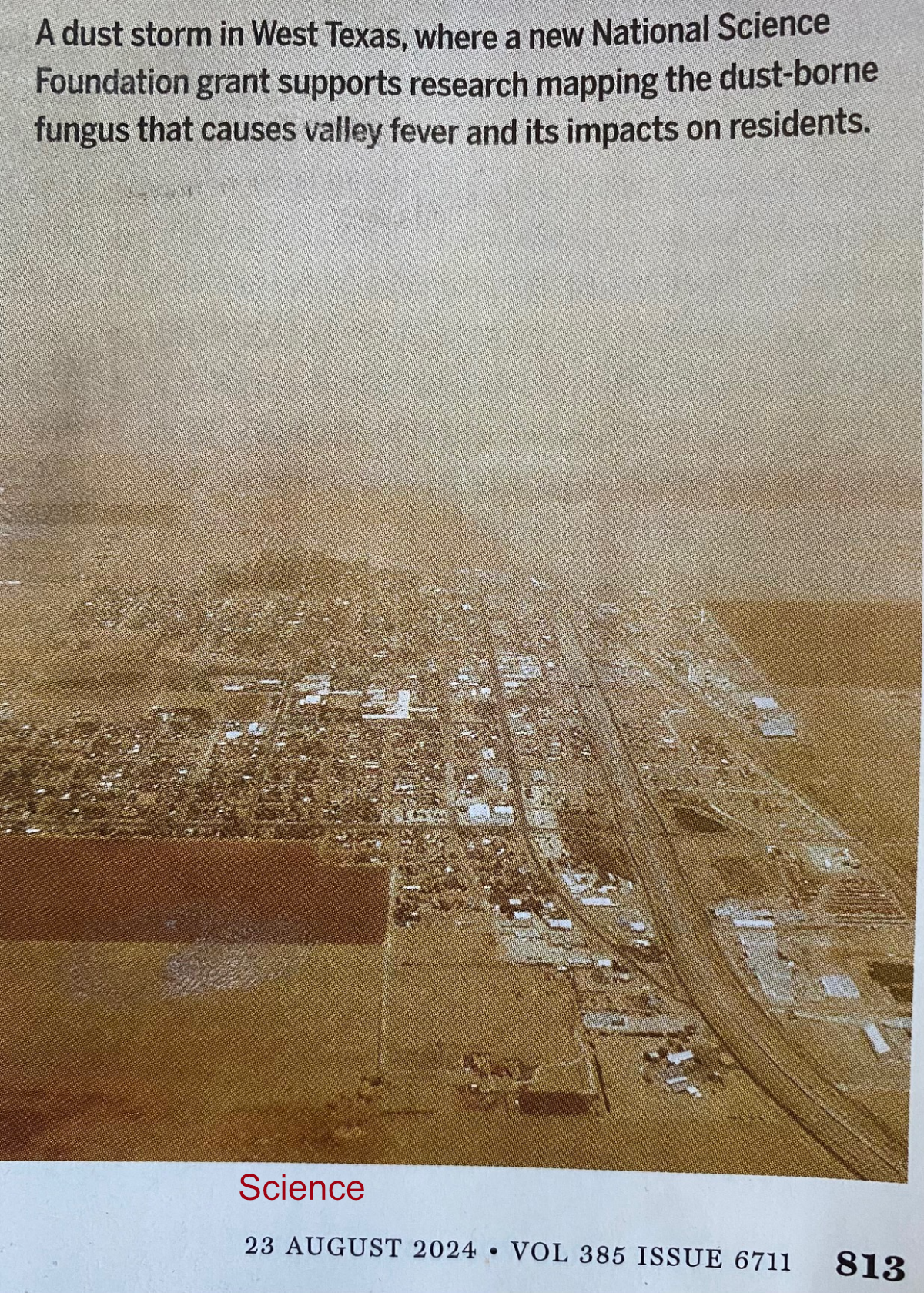
When dust travels long distances, its particles change in size and shape and undergo chemical reactions that accumulate harmful pollutants. As they travel, their sizes decrease and pollutants accumulate, making them more toxic. This poses a danger to living organisms downwind and disrupts ecosystems.
Land
Ideas on plastic pollution

- We must have a treaty or global agreement to achieve a circular economy where plastic is reused and waste prevention through limiting production.
- Continued plastic use must be designed for longevity of the plastic materials along with building an infrastructure for reuse systems.
- Present subsidies to the fossil fuel industry need to be stopped.
- Someone needs to claim responsibility for plastic cleanup and building a new infrastructure.
- Those who use plastic need to accept the real cost of plastic use to society, health, and the environment to make it cost effective to make a switch.
- Recognize that reduced production is not a viable solution, but a smokescreen for change.
- Must reject any limiting of implementation of a solution which is not comprehensive.
- Must recognize the immediate urgency to prohibit particular plastic products polymers and other restricted plastics.
- Recognize that plastics have exceeded a safe operating space for human rights of a safe and clean environment.
- We must recognize that our current political systems are historically ill suited to address crises. As they are slow and cumbersome as lobbyist push for a laissez-fare unregulated economy and politicians are afraid to take bold actions that might upset the power brokers of wall street. So they cobble together timid solutions hoping to appear that they will solve the problems, but they will not.
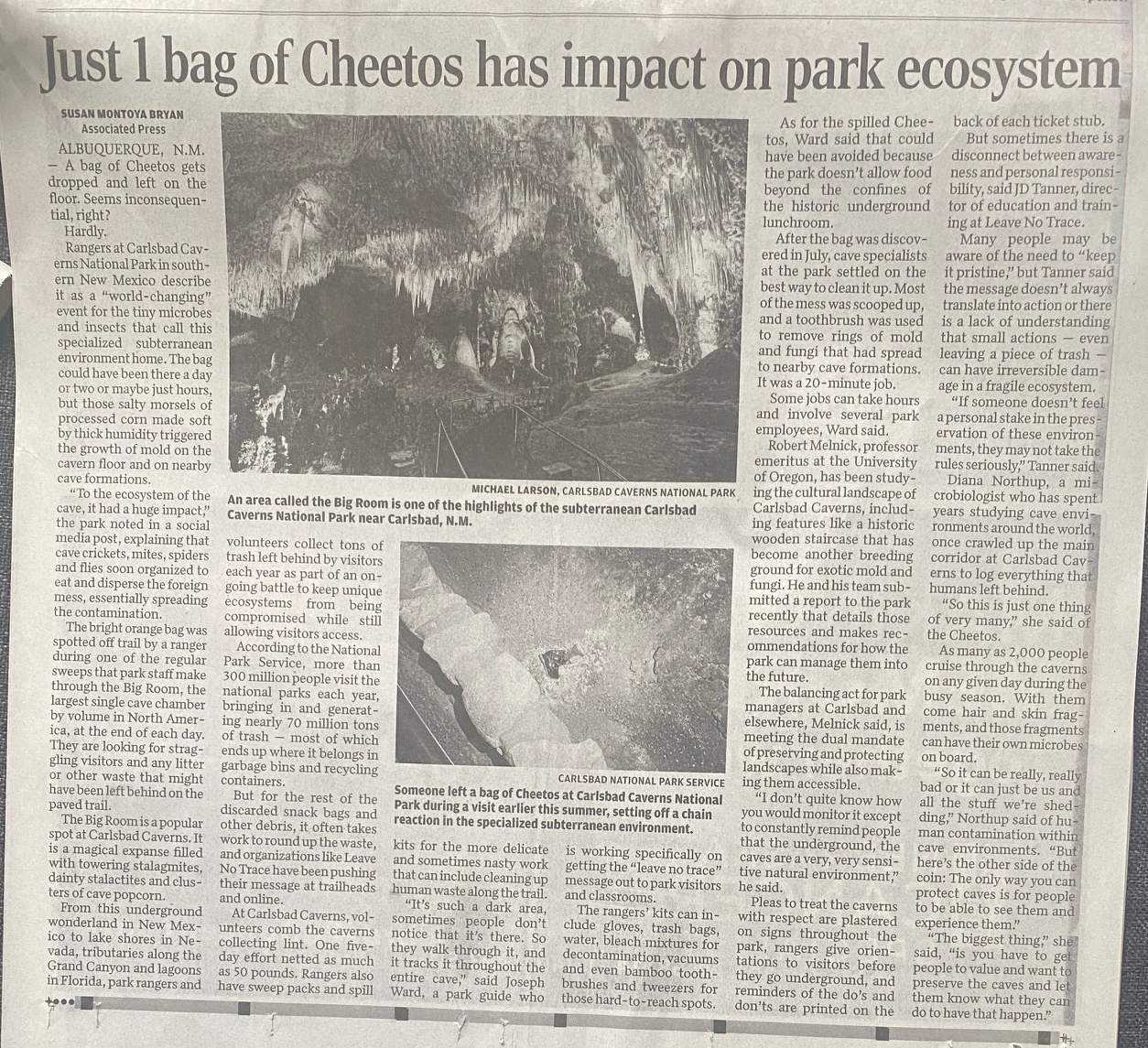
Cheetos as an example of land pollution
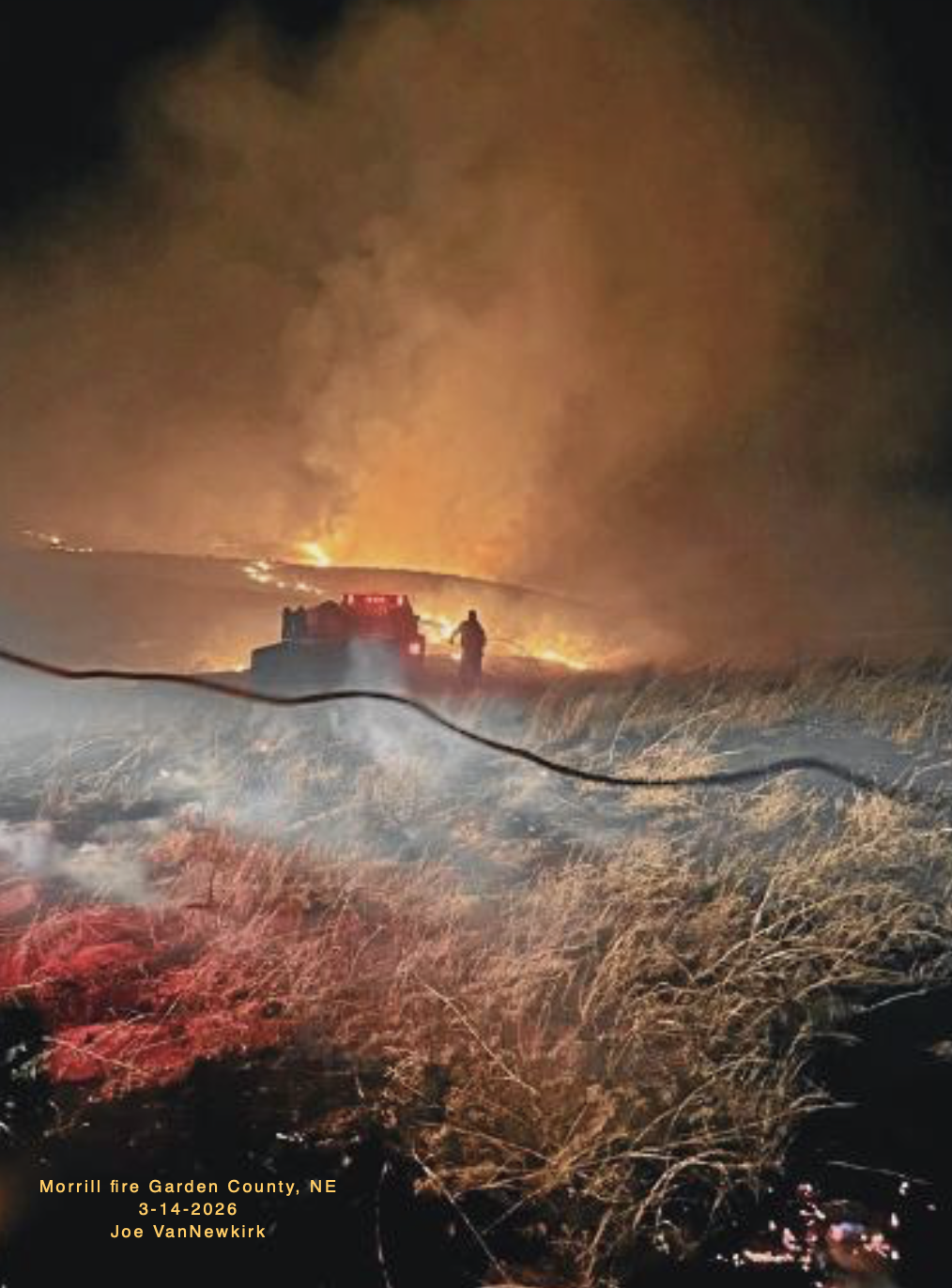
Morrill county, NE wildfires. 3-14, 2026
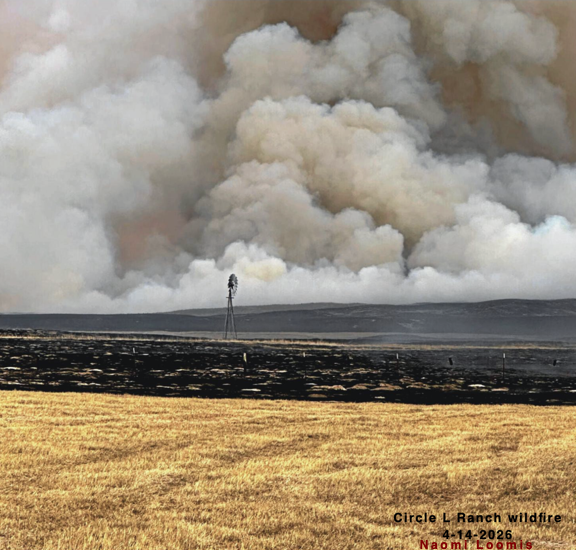
Morrill county, NE wildfires. 3-14, 2026
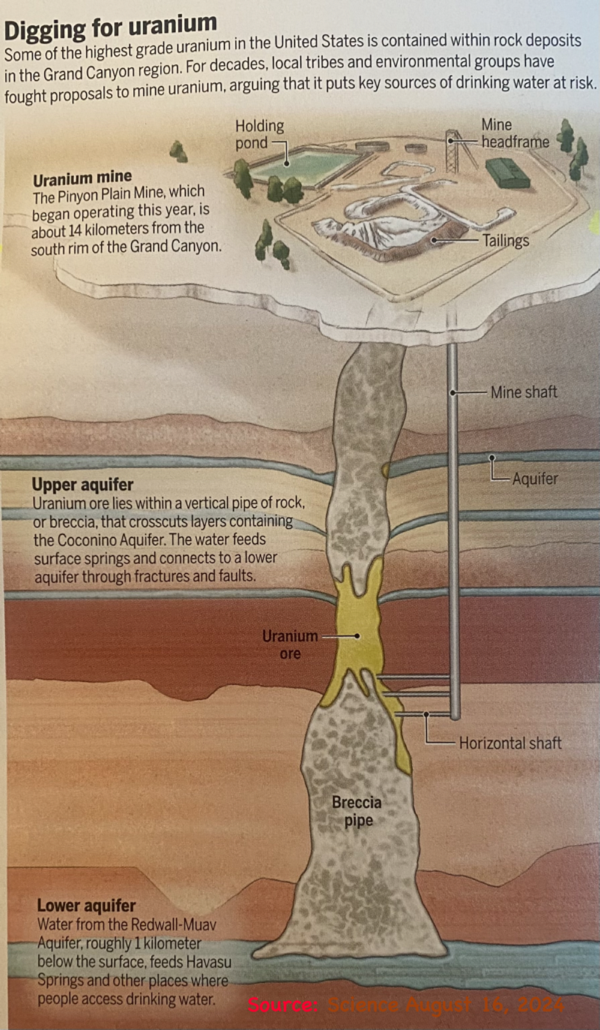
Uranium mining in the Grand Canyon region ...
Fluid mining for Uranium in the northern plains
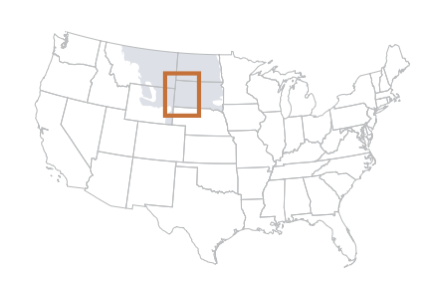
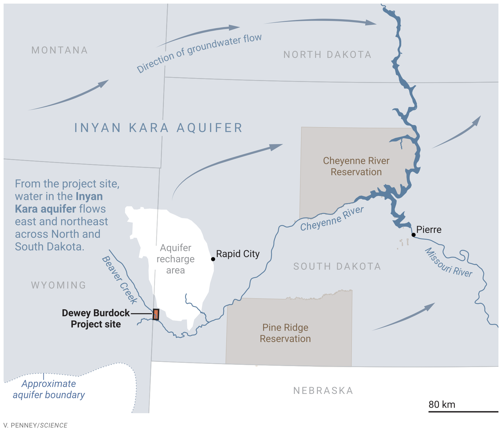
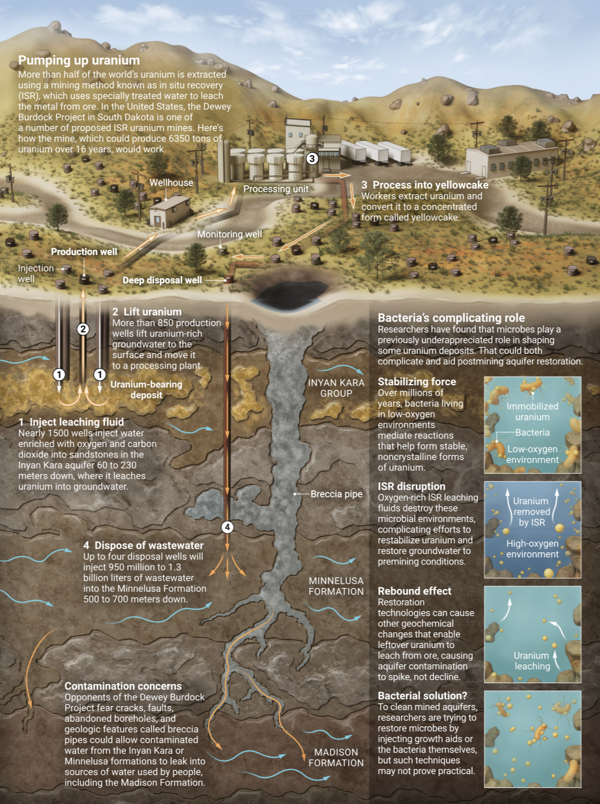
Source - Deep Unease: A push to expand mines that use fluids to extract uranium from aquifers is raising concerns about groundwater pollution. Science April 23, 2026
Water
The Saga of Great Lake or Big River
A large community of organisms lives beneath the surface of Great Lake. Light that penetrates the surface and minerals suspended in the water support plants, which are the basis of the lake's food web. All the plants and animals in the lake are part of this food web. Some of the organisms in the food web are algae, Daphnia, minnow, bass, trout, perch, frogs, snails, crayfish, clams, turtles, and beaver.
The first Europeans to find the lake were fur trappers, who reported that several Indian tribes lived near the shore. The Indians apparently had been there a long time because their villages and fields were well established. Like the Indians, European settlers were attracted to the lake. The land was fertile and moist, and crops grown there could provide food for many families. Moose and deer from the forest, fish from the lake, and ducks and geese added meat to the settler's diet. There was a great deal of fur trading because of the many mink, beaver, fox, and ermine living nearby. All in all, life was ideal.
As word about the lake's productivity spread, more and more people were attracted to the are. Soon the lakeside human population was too large to be supported by the existing fields. Forests were cleared to develop more and more farmland. As the forest diminished, the game that had been the settler's meat supply also disappeared. Cattle and sheep were raised to provide homegrown meat, and more forest were cleared to make grazing land for these animals.
Fur-bearing animals disappeared when the forests were cut down. The settlers originally traded furs for items such as cloth, firearms, plows, and luxuries they could not manufacture. They tried to solve this problem by producing some of the things formerly obtained through trade. Then the settlers expanded their workshops into small factories, producing items to take the place of furs in order to reestablish trade with other areas.
Many factories were successful, and people were attracted from other areas to work in them. As a result, population increased, additional food was required, and the remaining forests were converted into cropland. Slowly but surely, the lade area evolved into the massive industrial and agricultural center it is today.
Soon after lake shore industry was firmly established, there were no more forests that could be cleared for farming. In order to produce enough food to feed the rapidly growing population, the lakeside farmers stopped rotating crops and planted food crops on all available land. Within a few years they discovered they had made a mistake, because their yields decreased until finally farms could produce no crops at all.
About that time, commercial fertilizers were developed. By using fertilizers farmers could plant all their fields every year without worrying about using up the minerals in the soil.
When a large group of people lives in one area, there is a huge amount of waste material produced. Tons of garbage and sewage must be disposed of each day. The presence of the lake made this job easy, for it was simple matter to run sewage lines to the water's edge, dump garbage from piers, and let the city's waste float away. Before long, people stopped dumping garbage into the lake because much of it floated and was ugly. The sewage was not visible, however, so there seemed no harm in continuing to dispose of it in the lake.
A few years later, people noticed more algae in the lake than before. At first this increase was apparent only as occasional small clumps that had been washed ashore, or as a green film on offshore rocks. then swimmers complained about the slime that clung to their bodies when they came out of the water, and boaters described large, propeller-snagging masses of algae floating in the lake. Soon, the mayor's office was swamped with many angry descriptions of the foul odor encountered everywhere near the water. By this time no more people who fished lived near the lake. They had moved elsewhere in order to catch enough fish to support their families. A reporter for the local newspaper wrote that the crowds of Sunday afternoon swimmers and picnickers on the beaches had been replaced by dead fish and masses of rotting algae.
Now that you have read the story, answer the following questions.
- What do you think caused the increase in the lake's algae population?
- How is the disappearance of the fish related to the foul odor and the increase in algae?
- Why were the lake's problems evident only in recent years?
- If you could rewrite the story, what events would you change to keep the lake from becoming polluted?
Source - Maybe SCIS, however ... another book could also be used. Like.
A River Ran Wild by Lynne Cherry. 1992.
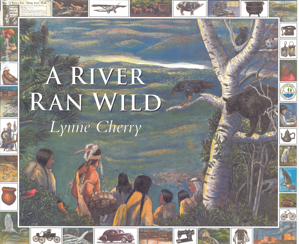 The book describes the history of the New England Nashua River and the affects it had on people and the affect people had on the river. From the river's first encounter with Native Americans up to present day.
The story of the river and its relationship with humans is told both in text and beautiful illustrations of the life along the river and the technology of the people who live on its banks through time. As a bonus the borders are embedded with colored pencil drawings of the cultural artifacts of the people during the time being depicted.
A good story with enough detail and inspirational stirrings to hopefully motivate readers to deeper research into history of this river or other more personal histories of the reader. While the story has utility for historical research and historical understanding the book is more significant in its contribution for being a ground breaking children's story about water pollution.
Plastic pollution
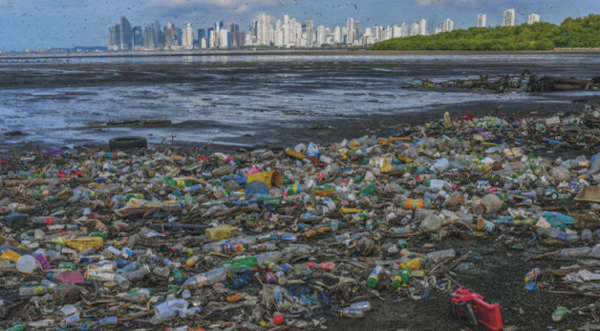
Climate change examples
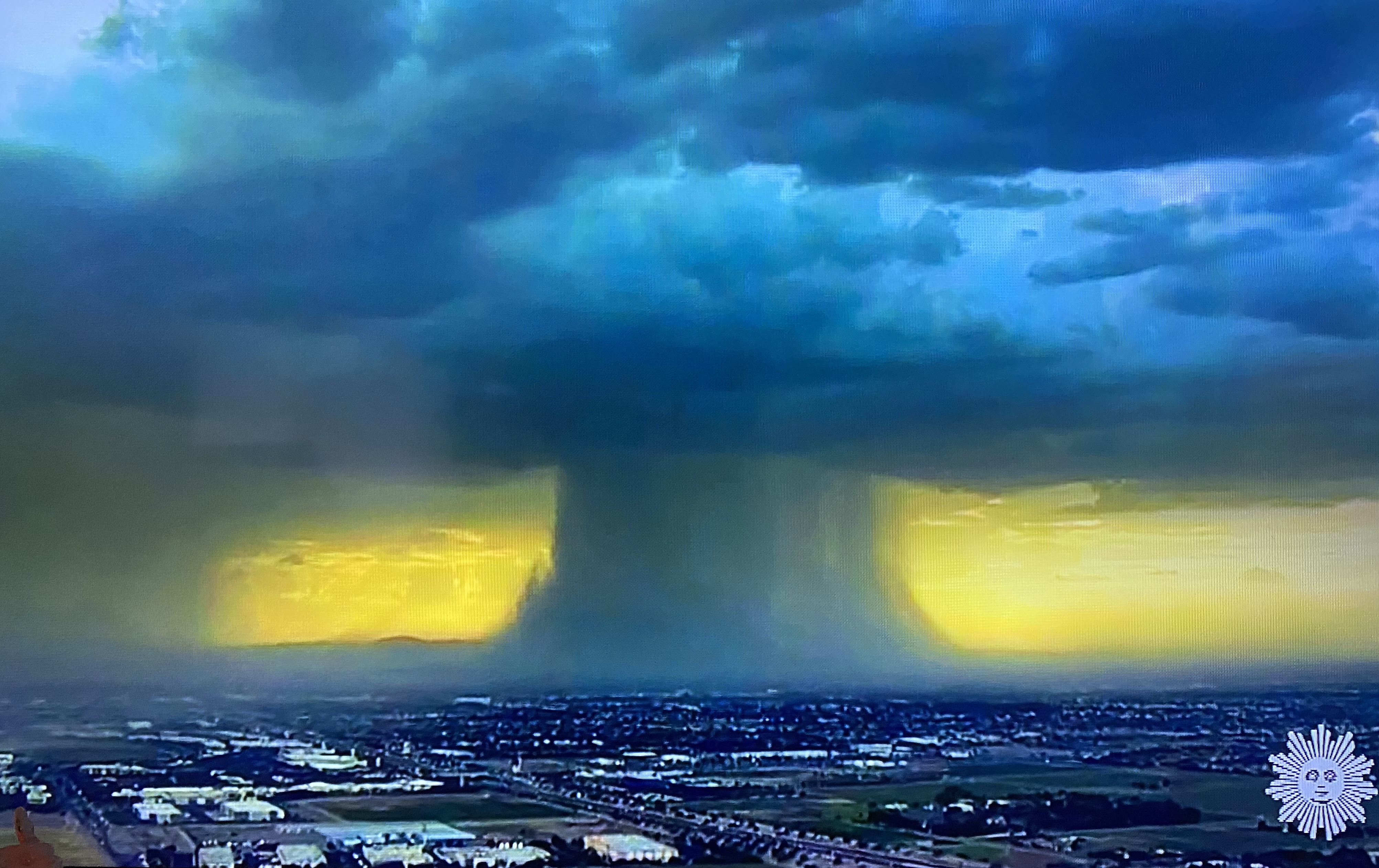
Rain storm
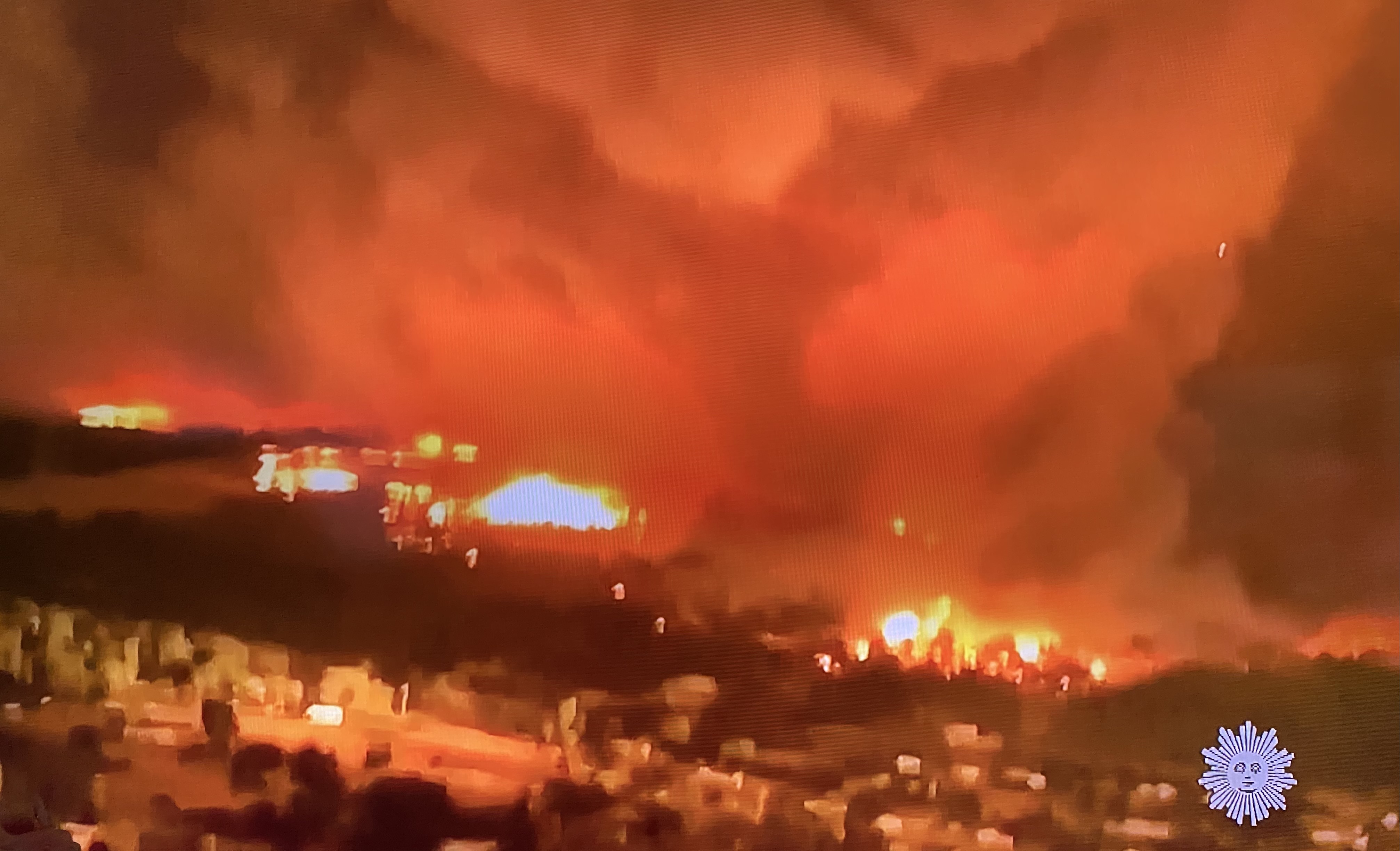
Forest fire
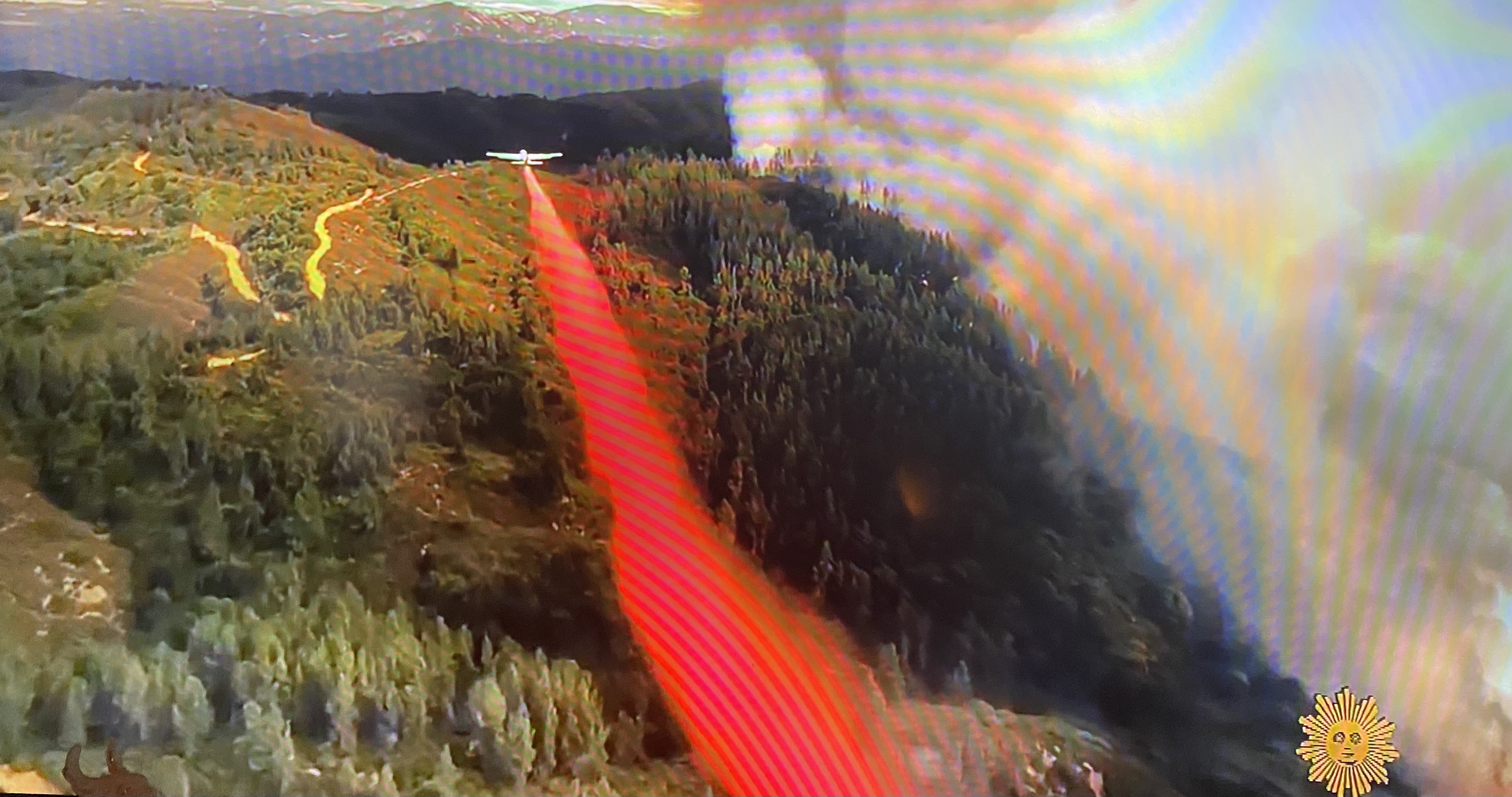
Fire
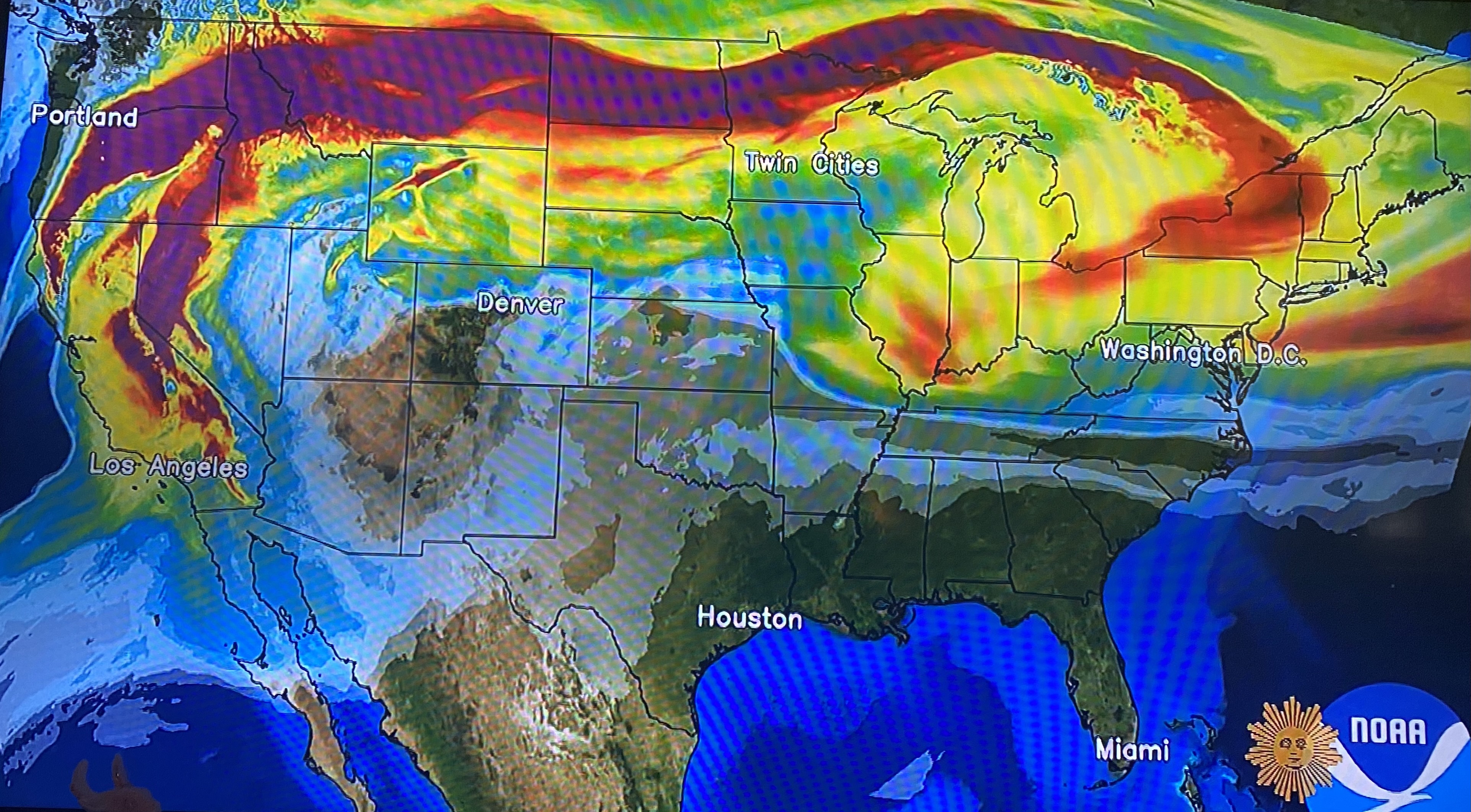
Climate change temperature map
Climate change flooding
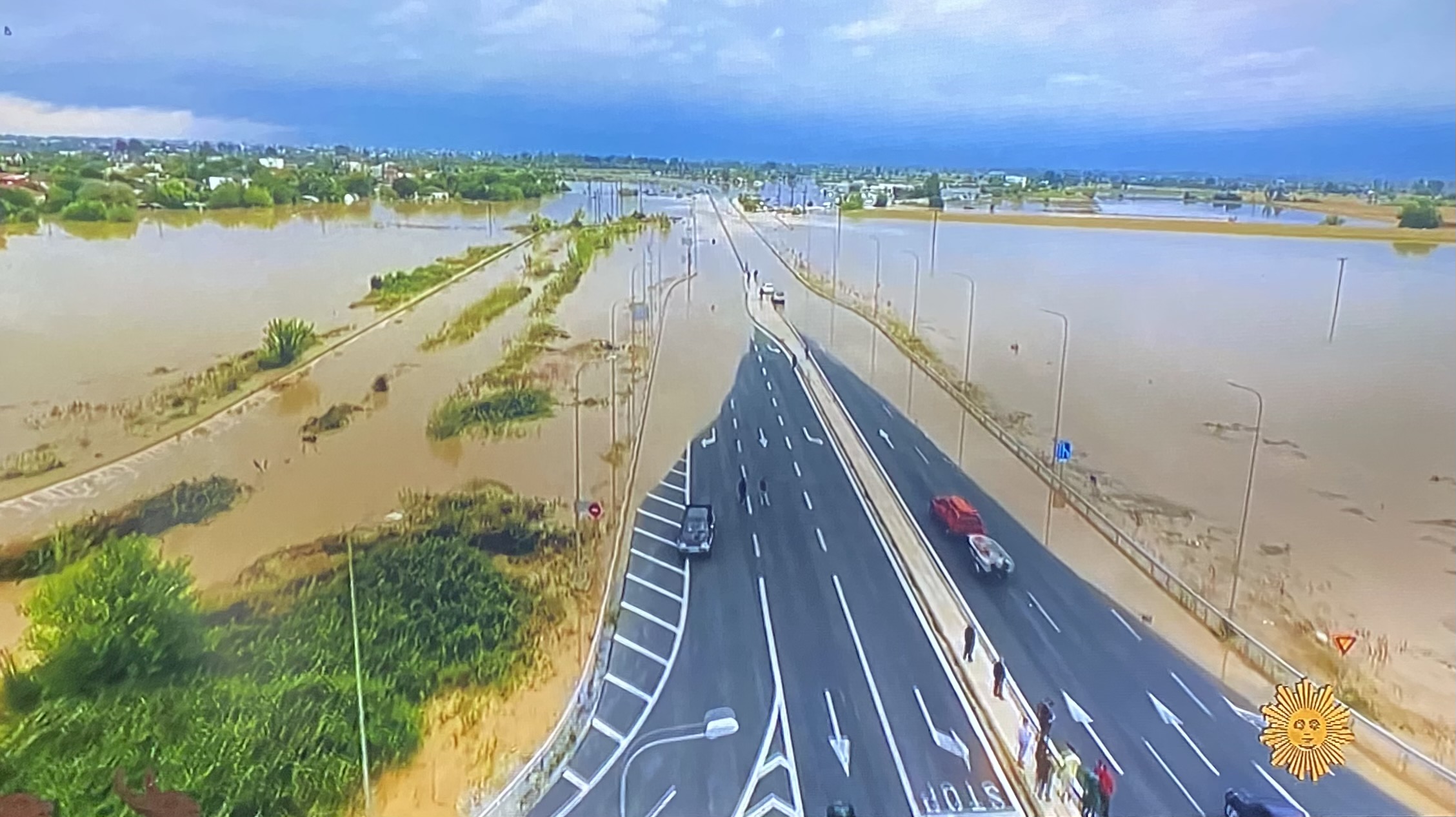
Climate change flooding
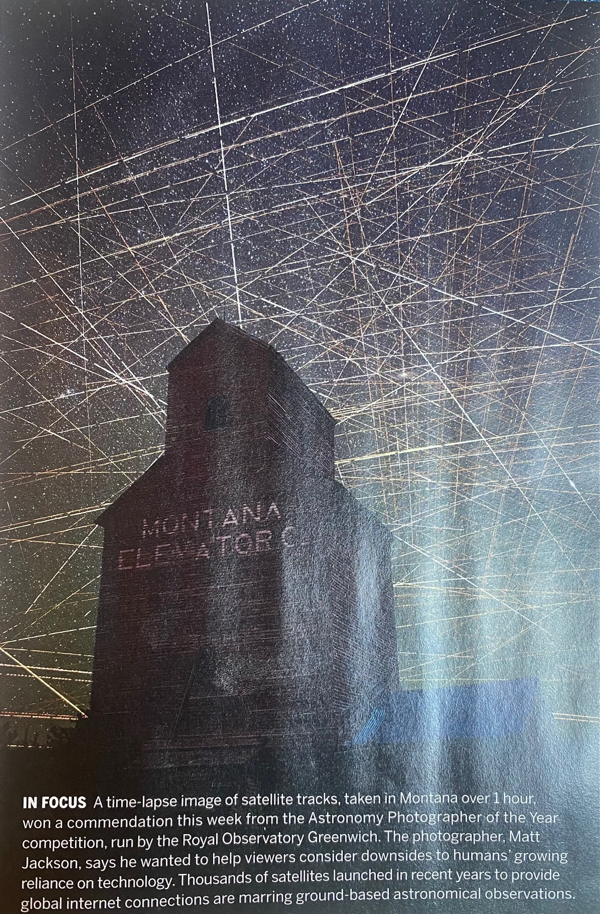
Satellite pollution
Fruit fly problem
Two fruit flies are put into a jar at midnight.
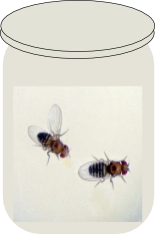 They and their descendants reproduce and double every minute.
At noon the next day the jar is full.
When was the jar half full?
- When did the fruit flies know they were in trouble?
- If the Earth is the jar, and we are fruit flies, then, when will our jar be full?
- When will we know we are in trouble?
*Answer*
The jar will be full:
One minute before noon or 11:59 AM.
I suppose the fruit flies could have solved their problem two ways. Not filling up the jar and by getting a bigger jar!
While the obvious analogy of relating the fruit fly's problem is to over population. It could apply to the recognition of other problems with a limited amount of time before the problem overwhelms any solution.
For example.
There is a colony of ants that work very hard to keep their colony happy and lively. As they do they produce ... pick one ... (CO2 or plastic), which they store in their colony.. Since they are so prosperous the amount of (CO2 or plastic) doubles every minute. If their colony is half full at noon, when will it be full?
Word bank
Acid rain is created when chemicals in the atmosphere interact with water to produce acids that mix with rain. Acid examples: Carbonic acid (H2CO3), Sulfuric acid (H2SO4), Nitric acid (HNO3). It is harmful to plants and animals.
Air pollution is harmful or poisonous materials in the atmosphere or the breathable air within a human habitat.
Air quality index (AQI) is a number between 0 - 50 used to communicate the current quality of air or forecast air quality. The index uses five variables (ground-level ozone, particulate matter, carbon monoxide, sulfur dioxide, and nitrogen dioxide) to establish a number such that a higher AQI number will increase adverse health effects on people in the affected area. Source
Asbestos is a naturally occurring soft Gray-white mineral that has been used as a fire retardant, building material, and insulation. Very small fibers (Particulate matter) can break of and be inhaled, which is know to cause lung cancer (mesothelioma) and other forms of lung damage.
Atmosphere is the air (gases) that surround the earth.
Balance of Nature is the belief that an ecosystem can be in a natural stable condition: equilibrium or homeostasis. For example a small change in one variable (rabbit population) will affect a related variable (coyote population). Related for example by the predator - prey relationship which will fluctuate back and forth keeping both populations relatively stable over time.
Bias 1: an unfair comparison of one thing, person, or group to another 2: a known or unknown tendency or preference for a particular idea, brand, result, or perspective that interferes with being impartial, unprejudiced, or objective when making a decision. 3: unfairly support one idea or side against another.
Ways bias can be used to influence decision making.
- With limited options or omission. Selections that offer one point of view by omitting alternatives. Offering only positive consequences and not negative.
- Placement Information given first or reported on the first page, or beginning of a television or radio newscasts.
- Use of photos, word selection in captions, camera angles, color, choice of shots.
- Use of names and titles. Mr. Mrs, Dr. ex-con, terrorist, freedom fighter, ...
- Use of numbers and statistics to make something a disaster report A hundred injured in air crash rather than only minor injuries in air crash.
- Selection of information source. A reporter, eyewitness, police, fire official, executive, elected or appointed government officials.
- Word choice and tone. Use of positive or negative words or words with a particular connotation. Riots, demonstrations, sit-ins, ribbon cuttings, speeches, ceremonies, gathering.
Biodegradable matter able to be broken down into natural materials by microorganisms or other living organisms (decomposed).
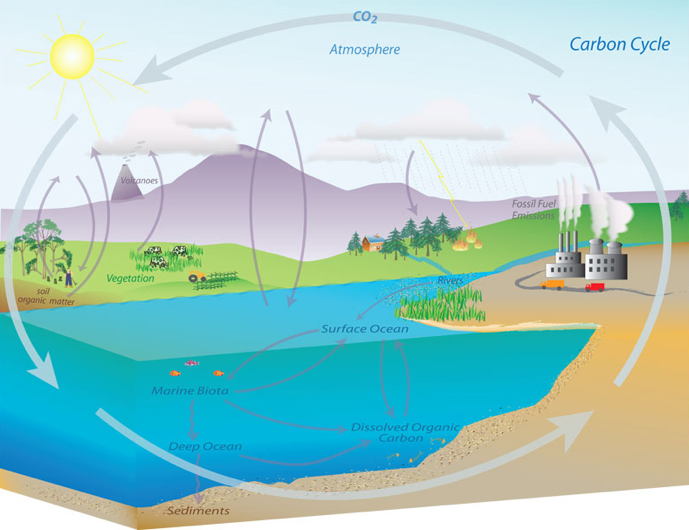
Carbon cycle
Carbon capture building materials
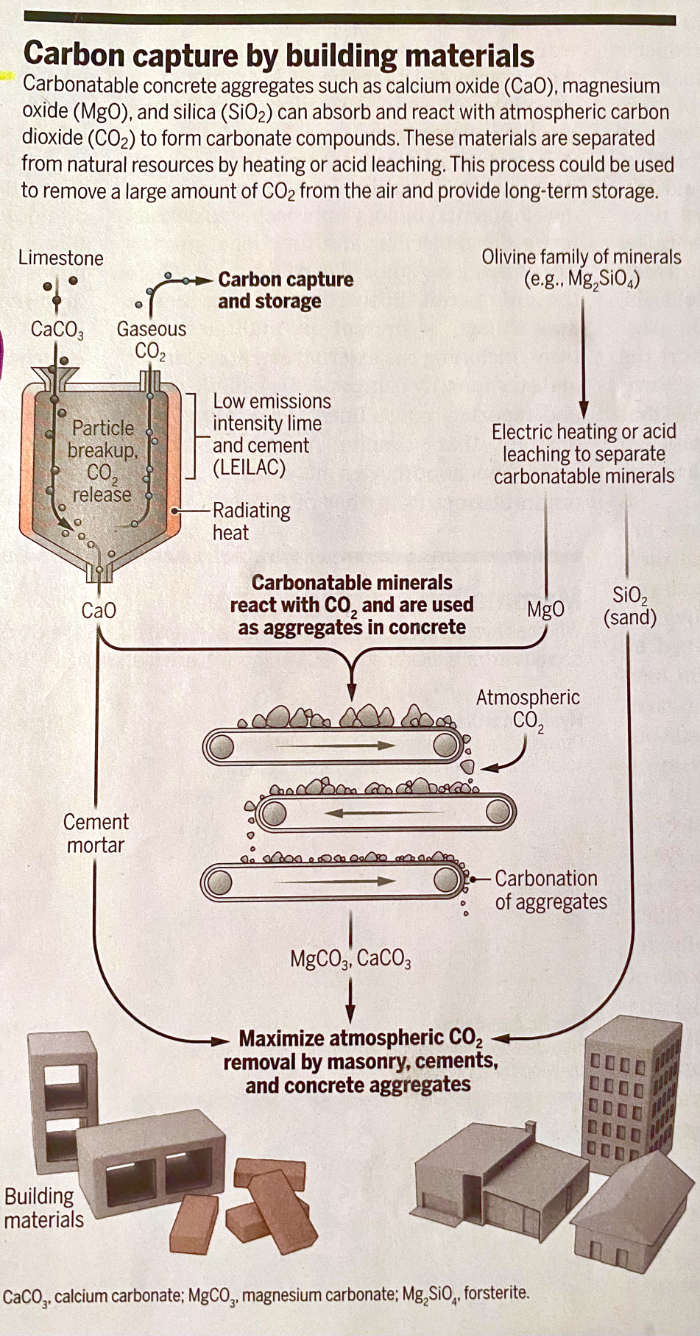
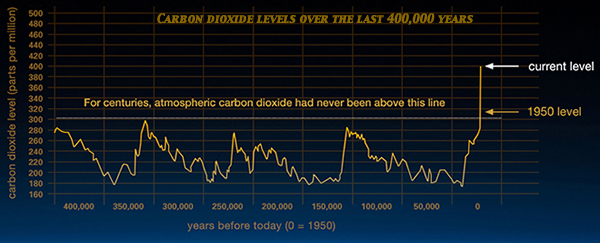
Carbon dioxide (CO2) is a colorless, odorless gas produced by burning carbon products (oil, gas, coal, wood, ...) and by metabolism / respiration (plants and animal use of food for energy). The near Earth atmosphere has about 0.04 percent and is used in photosynthesis by plants to make food. See carbon dioxide - oxygen cycle below.
Carbon monoxide (CO) is a colorless gas created with incomplete burning of carbon fuels (natural gas, coal, wood, oil, gasoline, ethanol, ... ) and other chemical processes. It is deadly at high concentrations by preventing sufficient oxygen for body tissues to survive.
Carbon Dioxide - Oxygen Cycle is plants use of carbon dioxide with sunlight to make simple sugar (C6H12O6) for food and release oxygen as a waste gas. The process generally happens in leaves where sunlight is absorbed, oxygen enters, and carbon dioxide exits. See chart below and NASA Video: Following atmospheric carbon dioxide (1:35)
Cement cooling pain provides evaporative and radiative cooling. It's strong, durable, and easy to apply. It reflects high solar radiation, has minimal optical variation between hydrated and dehydrated states, high thermal emittance, and excellent cooling performance. Science June 5, 2025.
Centers for Disease Control and Prevention (CDC) is a federal agency in Atlanta, Georgia that tracks and investigates public health concerns and supports health through promotion, prevention and preparation activities to improve overall public health.
Chemical substance is any piece of matter. Source fact sheets of chemical substances and their known possible risks to human health and the environment.
Conservation is the wise use of human and natural resources through management, improvement, and protection of the environment by protecting diverse plants, animals, avoiding waste, recycle, reuse, ...
Consumer is an organism that gets its food by feeding on other organisms or organic matter. Unable to produce its own food like plants.
Culture is the total of a groups goods, tools, ideas, beliefs, values, ideas about time, and roles that people communicate, share, and teach to each other. See iceberg model of culture.
Decibel (dB) is a measure of sound intensity. No sound or silence is 0 dB. A sound 10 times more powerful is 10 dB, one 100 times more powerful is 20 dB, and one 1,000 times more powerful is 30 dB. Sounds and their decibel ratings: whisper - 15 dB, conversation - 60 dB, lawnmower - 90 dB, car horn - 110 dB, rock concert - 120 dB, jet engine at take off - 160 dB.
Decomposers are organisms whose ecological who feed on dead or decaying organism, which recycle nutrients.
Earth the planet on which we live, the third planet from our Sun.
earth is the substance that covers the Earth: rocks, soil, sand, clay, ...
Environmental contaminants are substances accidentally or deliberately introduced into the environment that may harm organisms people, other animals, plants, and other organisms.
Emotions are signals that effect how you feel and can consciously an unconsciously cause body reactions and behaviors.
Empathy is the ability to imagine and understand how someone else feels.
Energy cycle is a process that sustains life on Earth. Plants combine sunlight, carbon dioxide, and water through photosynthesis to make sugar (C6H12O6) to use for energy to live. Plant consumers (herbivores) consume plants for their energy, animals (omnivores & carnivores) consume plants and animals for their energy and decomposers decompose living things for their energy and their waste recycles as environmental factors.
Gravity holds everything on Earth and enables air in the atmosphere, water in the atmosphere and surface, soil, and organisms to exchange chemicals through various cycles.
Greenhouse effect in an actual greenhouse is caused when sun light shines through the glass and warms everything inside the greenhouse. The heat increases as the glass slows the heats escape. With the greenhouse effect outside the Earth's atmosphere acts as the glass. During the day, the Sun shines through the atmosphere and warms the Earth's surface. At night, Earth's surface cools and heat flows into the atmosphere and out towards space. However, as it does it can interact with particles in the atmosphere (carbon dioxide, methane, water vapor, water droplets, and particulate matter) that act like glass and slow the flow of heat into space. Eunice Foote, demonstrated the greenhouse effect and described her results in the 1856 issue of Scientific American. titled Scientific Ladies. 9, 1856.
See also: This Lady Scientist Defined the Greenhouse Effect But Didn’t Get the Credit, Because Sexism.
Global warming is the steady increase in average yearly temperature despite periodical temporary decreases. See NASA Video: Global warming from 1880 to 2016 (.20).
Habitats are the places organisms or populations live.
Hazardous waste incineration. Is a process to reduce the danger of hazardous waste with heat. Process: Waste is tested to determine what it is to determine how to process it. Then it enters a rotary kiln and is incinerated (burned) at about 1,000 °C (1832° Fahrenheit). Next, it moves to another chamber to insure a more complete burn. Separation begins with removing waste ash and noncombustible solids. Then gases and particulate matter are processed by spray drying (removes particulate matter, salts, and some metals) and wet scrubbing (removes sulfur dioxide, acids, and halogen). Followed by active carbon treatment (dioxins, furans, and mercury), and catalytic reduction (nitrogen oxides). The process reduces the amount of waste, however, the toxic materials become concentrated and need to be safely disposed.
Hydrogen sources
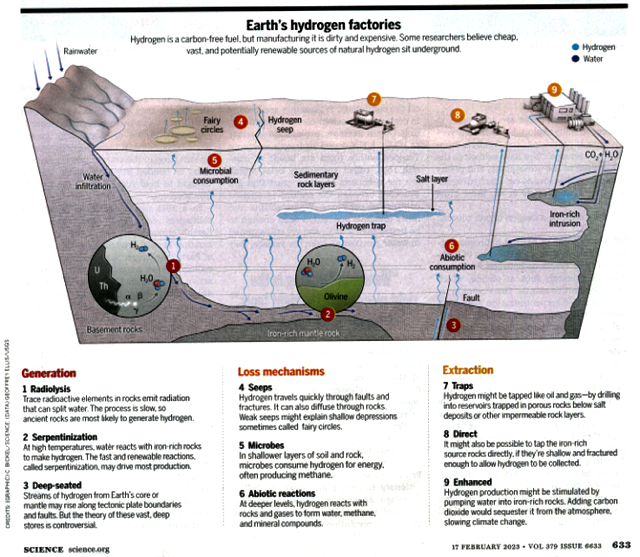
Incineration is a process to treat organic substances in waste material by burning it which results in ash, particulate matter, gas, and additional heat. Organic ash can be safely disposed. However, toxins within the ash can not. See, hazardous waste incineration above.
Influence the power of people, objects, and ideas to effect their behaviors and choices they make that determine their health, character, development, and all other aspects of their lives and others lives.
Landfill a place designed to safely bury waste or garbage and cover it with soil.
Lead is a soft metal element (Pb). It can damage the liver, kidney, brain, nerves, cause cardiovascular disease and anemia. It can enter the body in the air as particulate matter, in drinking water, or ingested by eating paint chips.
Life cycle is the process of change each organism undergoes from life to death including most importantly reproduction to sustain the species.
Manipulate is a dishonest unfair way to influence or control other people. The following are ways to manipulate
- Threaten is an action that indicates violence, injury, or punishment will result in retaliation if a specific action is or isn't completed.
- Blackmail is an action that indicates violence or a payment will result as a consequence if a specific action is or isn't completed.
- Reward is the act of allowing a favorable action or giving a favorable object as consequence if a specific action is or isn't completed.
- Coerce is the act of with holding a favorable action or favorable object or using a threat or harm if a specific action is or isn't completed.
- Mock or tease is the act of physical and verbal actions used to influence a person until a specific action is or isn't done.
- Guilt trip is the act of physical and verbal blame used to influence a person to perform or not to perform a specific action.
- Bargain is the act of negotiating with a person to influence them to perform or refrain from performing a specific action.
- Flatter is the act of saying positive things to a person to influence them to perform or refrain from performing a specific action.
- Bribe is the act of promising money or a favorable act if a person performs or refrains from performing a specific task.
Media is all the different ways together of mass communication: Internet, web sites, television, radio, newspapers, magazines, books, ...
Medicine is a substance or preparation used to treat or prevent disease or other unhealthy or uncomfortable conditions.
Nature is everything on Earth: plants, animals, earth, and all the features and forces of the Earth. Everything that is not created by humans. Mother Earth, Mother Nature, ...
Nitrogen cycle is the continuous process where nitrogen, in different chemical forms, passes from the atmosphere, to organisms, soil, and water back to the air to sustain life on Earth. Exchange happens with rain, decomposition, bacteria and plant metabolism, fixation, ammonification, nitrification, and denitrification.
Noise pollution sound considered to annoy, distract or harm other people. Automobiles, lawn mowers, power tools, airports, industrial plants, parties, ...
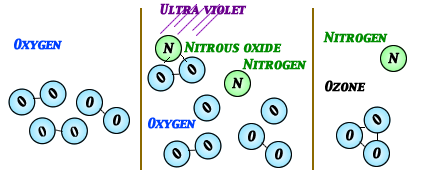 Ozone is three oxygen atoms (O3) formed at ground level from oxygen and other molecules (one example - NO2) and ultraviolet light. It is part of smog, is bluish color, with a strong sharp odor.
Particulate matter (PM) is any small solid or liquid or a combination of both kinds of matter that are small enough to travel in the air and inhaled by people. See Particulate matter
Peer pressure the positive and negative influence same age people have on each other.
Personal needs - necessities, food, water, air, safe environment, social needs, physiological dependence, psychological dependence,
Plants are multicellular organisms that produce their own food with photosynthesis.
Radioactive waste is produced from radiation treatment and nuclear medicine, nuclear weapons manufacturing, and nuclear power plants. It is a gas, solid and liquid depending on the source. Radioactivity material can last a few hours to hundreds of thousands of years. If not disposed properly it can devastate the environment, ruining air, water and soil quality and have long term negative health effects on humans and other living organisms including death.
Radon (Rn) is an element in the noble gas group. It is a colorless, odorless, radioactive gas created by the radioactive decay of radium. Minute amounts are in soil, rocks, and the air near the ground. It is used in radiation treatment of cancer and other diseases. It is the second leading cause of lung cancer.
Runoff is water, from rain or snow, that flows across the ground. It can be pure or contaminated by what it flows over: soil, rock, salt, waste, fertilizer, pesticide, insecticide, ...
Sediment is the soil and other materials that flow through the watershed and are deposited in rivers, lakes, and oceans.
Solid waste is any discarded insoluble (not able to be dissolved) waste material: garbage, refuse, sludge (semi-liquid waste from treatment plants: sewage, water supply, air pollution filtration or scrubbers, ...), construction, manufacturing, commercial activity, mining, smelting, agricultural operations, and community activities.
Sulfur dioxide (SO2) Is formed from volcanoes, burning coal, gasoline, and other petroleum products. It has a foul acrid smell and is harmful to the respiratory system. It also interacts with water to make acid rain which is harmful to plants and animals.
Water cycle (hydrologic cycle) is the flow of water in the atmosphere, streams, rivers, lakes, oceans, plants, animals, and even in you evaporate/transpire/sublimate into water vapor. Water vapor condenses into tiny droplets that form clouds and then form rain, sleet, hail, or snow (precipitation) and fall to earth.
Home: Pedagogy - theory, curriculum, learning, human development, & teaching